
How You Can Supporting Common Health Problems in Your Dogs Naturally
Every dog parent wants their furry companion to live a long, happy, and healthy life. But just like humans, dogs are prone to a variety of health issues — from joint stiffness to digestive problems and skin irritation. Recognizing the signs early and knowing how to respond can make all the difference in your dog’s comfort and longevity. While some conditions require veterinary treatment, many can be managed or prevented through proper nutrition, regular exercise, and targeted natural supplements.
At Pawlife Pets, we believe proactive wellness starts with prevention and balance. Whether it’s supporting mobility with Agile Pup or maintaining digestive comfort with Gut Grass Duo, our goal is to help your dog thrive through every stage of life. Below, we’ll explore five of the most common dog health problems — and how you can take action today to help your pup feel their best.
1. Musculoskeletal Problems and Joint Pain
Understanding Joint and Mobility Challenges
As dogs age, wear and tear on their joints can lead to conditions like osteoarthritis, elbow dysplasia, and hip pain. In fact, research shows that nearly 90% of dogs over five years old exhibit signs of osteoarthritis to some degree. The most common symptoms include stiffness after resting, limping, reluctance to jump or climb stairs, and decreased activity. These changes can impact not only your dog’s movement but also their overall mood and quality of life.
Natural Ways to Support Joint Health
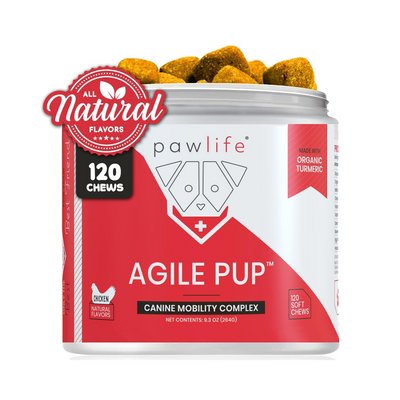
Prevention and management of musculoskeletal issues often start with a combination of weight management, controlled exercise, and nutritional support. Supplements containing glucosamine, chondroitin, MSM, and turmeric can help lubricate joints and reduce inflammation. Our Agile Pup soft chews are veterinarian-formulated with these exact ingredients, offering relief for dogs experiencing stiffness, arthritis, or age-related joint pain.
For a deep dive into early signs and prevention strategies, check out The Ultimate Guide to Dog Joint Health, Nine Symptoms of Arthritis in Dogs, and How to Recognize When Your Dog Needs a Mobility Supplement for more ways to identify early signs and promote comfort.
Proactive Mobility Support
Beyond supplements, encourage regular low-impact activities like swimming and walking. Avoid repetitive high-impact play like jumping off furniture or hard landings on concrete surfaces. Pair physical care with anti-inflammatory nutrition by incorporating Wild Alaskan Salmon Oil, which delivers omega-3 fatty acids proven to improve flexibility and ease discomfort. To help build a lasting routine, visit Daily Supplement Routines for Dogs and Managing Arthritis Naturally.
2. Skin Disorders and Allergic Reactions
Recognizing Common Skin Problems
From dry, itchy skin to chronic allergies, dermatological issues are among the most frequent reasons dogs visit the vet. Common conditions include allergic dermatitis, mange, ringworm, and bacterial folliculitis. Signs of skin disorders often appear as redness, hair loss, scabs, or persistent scratching. Allergies can stem from food sensitivities, parasites, or environmental triggers like pollen or household cleaners.
Supporting Skin Health Naturally
Skin health starts within. Providing omega-rich nutrition and supporting immune balance can dramatically reduce inflammation and irritation. Pawlife’s Omega Pup chews deliver the right balance of EPA and DHA for strong skin barriers and shiny coats. For dogs with chronic allergies or frequent itching, Immune Pup helps modulate immune responses and supports recovery from flare-ups.
For practical skin-care routines and natural home remedies, read Helpful Remedies for Treating Your Dog’s Dry, Itchy Skin, Five Benefits of Pumpkin and Cinnamon for Dogs, and Natural Ways to Soothe Dog Skin Allergies.
Holistic Allergy Management
If allergies are seasonal or stress-induced, combine immune and calming support. Our Calm Pup chews include chamomile and valerian root to ease anxiety, which often worsens itching behaviors. You can also explore Dog Anxiety 101 and Seven Ways to Calm an Anxious Dog for behavioral strategies that can improve both skin and emotional wellness.
3. Ear Infections and Chronic Ear Issues
Why Ear Infections Happen
Dogs with long, floppy ears — such as Cocker Spaniels, Basset Hounds, and Retrievers — are more prone to ear infections because moisture and bacteria can become trapped in the ear canal. Allergies, yeast, bacteria, or even swimming can exacerbate the problem. Early signs include head shaking, whining, scratching at the ears, or foul-smelling discharge.
Preventing and Treating Naturally
Regular ear cleaning with vet-approved solutions helps reduce buildup and maintain healthy pH levels. Strengthening immune defenses can also minimize infection recurrence. Immune Pup works at the cellular level to bolster your dog’s immune system against chronic bacterial and yeast-related infections. Pair immune care with skin wellness using Omega Pup for healthier ears inside and out.
If your dog’s ear infections seem linked to allergies, combining immune support with omega-3s may help. Wild Alaskan Salmon Oil promotes a stronger skin barrier and reduces itchiness. For more routine support, explore Daily Supplement Routines for Dogs and Digestive Wellness for Dogs.
4. Digestive Problems and Gut Health
Common Signs of Gastrointestinal Issues
Vomiting, diarrhea, gas, constipation, and loss of appetite can all point to an underlying digestive imbalance. In some breeds — like Great Danes or Weimaraners — gastrointestinal problems such as bloat or gastric torsion can become life-threatening if not addressed quickly. More commonly, issues stem from diet changes, parasites, or food sensitivities that upset the gut microbiome.
How to Improve Digestive Balance Naturally
The gut is the foundation of your dog’s immune system and energy levels. To maintain digestive health, include prebiotics, probiotics, and enzymes in your dog’s daily routine. Our Gut Grass Duo and Turf Treats both contain probiotics and enzymes that aid digestion, balance pH, and even reduce lawn burn caused by high nitrogen levels in urine.
For an in-depth guide to gut wellness, read Probiotics for Dogs: Do They Really Work?, Digestive Wellness for Dogs, and Helping Your Dog Recover From an Upset Stomach Naturally.
Managing Digestive Issues Safely
In cases of severe diarrhea or vomiting, always consult your veterinarian. Once stabilized, you can help prevent recurrence with consistent mealtimes, easily digestible foods, and routine supplementation. Add Omega Pup to improve nutrient absorption and coat quality. For more daily gut health tips, explore Daily Supplement Routines for Dogs.
5. Weight Management and Canine Obesity
Recognizing the Risks of Obesity
Obesity affects nearly 60% of dogs in the U.S., and the consequences can be serious. Carrying extra weight strains the joints, increases the risk of diabetes and heart disease, and reduces overall mobility. A dog is considered obese when they exceed 10–20% of their ideal body weight. Common warning signs include fatigue, difficulty climbing stairs, or shortness of breath after minimal exertion.
Creating a Sustainable Weight Plan
Healthy weight management starts with portion control and proper nutrition. Choose a high-quality, balanced diet with lean proteins and limited carbohydrates. Regular walks, swimming, or fetch sessions help maintain lean muscle mass while burning calories. Support metabolism and inflammation balance with Wild Alaskan Salmon Oil, known to promote cardiovascular health and joint mobility.
For senior or sedentary dogs, joint-friendly exercise combined with supplements like Agile Pup can make activity easier. To see how mobility and metabolism connect, read Managing Arthritis Naturally and Daily Supplement Routines for Dogs.
Long-Term Lifestyle Support
Healthy weight is about balance — not restriction. Incorporate variety through enrichment games, mental stimulation, and playtime. You can even rotate treats strategically using lower-calorie functional options like Turf Treats, which support digestion and urinary health without excess fat or filler ingredients. For further reading, visit Understanding Calories and Portions for Dogs.
Supporting Overall Wellness Through Prevention
Building a Routine That Works
Each of these common health problems — from arthritis to obesity — shares one thing in common: they’re easier to prevent than to treat. Building a daily wellness routine that includes balanced nutrition, hydration, and the right supplements can significantly improve your dog’s longevity and comfort. A great starting point is Daily Supplement Routines for Dogs and Seasonal Dog Care.
Integrating Holistic Care Into Your Dog’s Life
When you take a whole-body approach to wellness, you’re not just treating symptoms — you’re addressing the root causes. Pairing products like Immune Pup, Gut Grass Duo, and Agile Pup helps balance the systems that most influence immunity, mobility, and digestion. This multi-layered support creates a stronger foundation for long-term health. Learn more in Five Benefits of Pumpkin and Cinnamon for Dogs and How Nutrition Affects Your Dog’s Energy and Mood.
Final Thoughts on Supporting Your Dog's Health Naturally
From mobility to skin and digestion, your dog’s health is interconnected. Understanding the most common issues — and the natural ways to manage them — allows you to take proactive steps toward a happier, more active companion. With consistent care, early detection, and natural supplementation from Pawlife Pets, you can help your dog thrive through every season of life.
👉 Explore more wellness topics like Bladder Stones in Dogs, Joint Health Guides, and Probiotic and Gut Health Articles to expand your dog wellness knowledge.