
A Healthier Lawn Starts With Understanding Your Dog’s Routine
Pet parents love watching their dogs run, sniff, and enjoy the fresh air in the yard, but those yellow or brown grass patches can become a frustrating reminder of how a simple potty break can impact even the healthiest lawn. Many dog owners assume these spots are inevitable, yet preventing and repairing them is more achievable than most realize. When you understand why dog urine affects grass and how to balance lawn care with your dog’s health, maintaining a beautiful yard becomes far easier. This guide explores exactly how urine causes damage, how to restore unhealthy patches, and — equally important — how to prevent them through nutrition, hydration, and gentle lawn management.
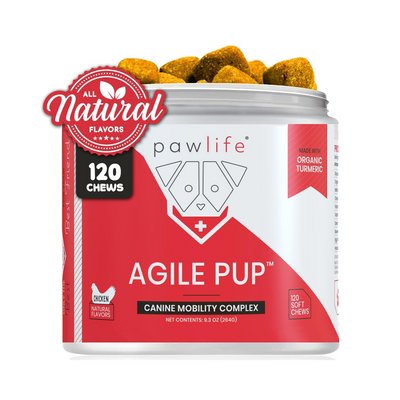
Strengthening your dog’s internal balance plays a much larger role in lawn protection than many pet owners realize. Pawlife products like Turf Treats, Pro Pup Pumpkin Chews, and the Gut Grass Duo help support urinary health, digestion, and proper nutrient absorption — three factors that indirectly influence the pH and nitrogen output of a dog’s urine. When used alongside smart yard practices, your lawn gets the long-term protection it needs.
Why Dog Urine Burns Grass
Dog urine burn spots usually form due to a combination of nitrogen levels, pH balance, and soil sensitivity. While nitrogen is healthy for grass in small amounts, dog urine contains highly concentrated nitrogen compounds. A small, repeated area of exposure can “over-fertilize” the lawn and stress the grass roots. Healthy, already nitrogen-rich grass burns easier because the added dose from urine overwhelms the soil.
pH imbalance is another reason these spots appear. If a dog’s urine becomes too alkaline, the soil can’t regulate nutrients properly and the lawn responds with yellowing or dead circles. This usually happens when the dog’s diet is unbalanced, low in moisture, or lacking digestive support. Pawlife’s digestive supplements such as Pro Pup and Gut Grass Duo can support gut health, which often plays a role in urinary consistency.
Lawn sensitivity also matters. Many homeowners unknowingly use grass varieties that burn easily, or fertilizer schedules that make the lawn more susceptible to nitrogen overload. Even female dogs tend to create more noticeable burn patches because they often eliminate in a concentrated spot rather than marking multiple areas.
Understanding Hydration and Its Impact on Lawn Spots
Water intake is one of the simplest factors influencing urine strength. When dogs drink less water, their urine becomes more concentrated, which increases nitrogen density. This is especially common during warmer seasons when dogs pant frequently and lose moisture. Encouraging hydration, adding moisture-rich foods, and supporting digestion through supplements all help dilute urine naturally.
Consider integrating hydration-focused routines such as:
- Offering fresh water in multiple areas of the home
- Using water fountains or circulating bowls for picky drinkers
- Mixing meals with water or broth for additional hydration
- Adding gut-friendly supplements like Pro Pup Pumpkin Chews to maintain healthy digestion
Dogs with balanced digestion typically produce urine with more stable mineral levels, which translates to fewer burn spots over time.
How to Prevent Lawn Burn Spots Before They Happen
While repairing damage is possible, prevention is the most effective strategy. Training your dog to use designated potty zones is ideal. These zones can be created using mulch, gravel, or a patch of artificial turf. Not all pet owners have the time or yard setup to manage this approach, which is why nutritional support becomes an essential part of prevention.
Pawlife’s Turf Treats were designed to help minimize lawn burn by supporting nitrogen balance, urinary pH, and digestion. These soft chicken-flavored chews contain apple cider vinegar, cranberry extract, DL-methionine, and probiotics — each ingredient working together to support urinary tract health and digestive balance. Many pet parents report that consistent use reduces the frequency and severity of new burn patches. When combined with hydration and gentle yard management, they offer a simple and reliable prevention method.
In addition to Turf Treats, pairing supplements like Cran Pup for bladder support or Immune Pup for overall wellness may further help stabilize your dog’s urinary health. Dogs with healthy immune and digestive systems typically produce more regular urine output, leading to fewer lawn issues.
How to Fix Burn Spots on Grass Step-by-Step
Repairing urine patches takes patience, but it is entirely achievable with consistent care. Early yellowing indicates stressed grass that may still be salvageable. Fully brown or dead patches require additional steps to restore the soil beneath. Whether your goal is a quick fix or long-term rejuvenation, the following process helps revive most lawns.
1. Flush the Area Thoroughly
As soon as you notice yellowing or browning, water the area deeply. The goal is to dilute the nitrogen salts in the soil before they cause irreversible root damage. A slow, gentle soak for several minutes works best — avoid high-pressure settings that can displace soil.
For homeowners in warm climates, flushing the area daily during active potty seasons can protect new growth and prevent additional damage.
2. Remove Dead Grass
Brown, crunchy, or patchy grass typically indicates dead blades, which cannot be revived. Use a rake to gently pull away dead material. This helps prepare the soil for new growth while allowing air and moisture to reach the root zones.
3. Apply Ground Limestone
Ground limestone helps neutralize acidity caused by urine and restores balance to the soil. Spread a thin layer over the affected area and water lightly to activate absorption. Allow the limestone to rest for about a week. This “reset period” is crucial to give the soil time to stabilize before reseeding.
4. Add Fresh Topsoil and New Grass Seed
After allowing the limestone to rest, add a layer of nutrient-rich topsoil to create a healthy foundation for new growth. Spread grass seed evenly across the area, choosing a seed blend that matches your existing lawn. Lightly water using a shower setting to avoid displacing seeds.
5. Maintain Moisture for Several Weeks
Consistently water the area daily for the first week, then reduce frequency slightly as seedlings take root. Avoid mowing until new grass blends into surrounding areas and reaches a stable height. Depending on temperature and seed type, it may take two to six weeks for patches to fully recover.
Why Digestive and Urinary Health Matter for a Healthier Lawn
Supporting your dog’s internal health directly impacts the composition of their urine. Imbalances in gut bacteria, dehydration, inflammation, allergies, or poor nutrient absorption can all affect urinary pH and nitrogen output. This is why many pet parents notice that lawn damage worsens during allergy season, digestive flare-ups, or stressful transitions.
To keep your dog’s internal systems balanced, consider daily wellness supplements such as:
- Pro Pup Pumpkin Chews for digestion and gut regularity
- Gut Grass Duo for digestive health + lawn protection
- Multi Pup 5-in-1 for daily nutrient support
- Cran Pup for urinary and bladder wellness
- Omega Pup Fish Oil for inflammation and skin health
These supplements help regulate digestion, support urinary tract function, and encourage balanced hydration habits — all of which contribute to a healthier lawn.
Linking Dog Lawn Issues to Stress, Anxiety, and Behavior
Sometimes frequent urination patterns or unhealthy elimination habits are influenced by stress or anxiety. Dogs experiencing restlessness, insecurity around guests, loud noises, or environmental changes may urinate more often or in concentrated spots. Pawlife’s calming formulas like Calm Pup and the Calm Comfort Duo provide gentle support for anxious or overstimulated pups.
For more insights on stress behavior, consider reading:
A calmer dog usually has more predictable potty habits, which helps reduce recurring lawn issues.
How Diet Influences Lawn Health Through Urine Chemistry
Your dog’s diet plays a major role in urine composition. High-protein diets may increase nitrogen concentration, while highly processed foods may contribute to alkalinity or digestive irritation. Incorporating gut-supporting supplements and maintaining a balanced diet helps stabilize urine output.
For deeper nutritional guidance, refer to these Pawlife articles:
Balanced nutrition doesn’t just support internal wellness — it also helps create healthier lawn outcomes.
Putting It All Together
Fixing and preventing dog urine patches is a combination of lawn care, dietary support, and wellness habits. Your dog’s urine composition is influenced by hydration, digestion, stress levels, immune health, and bladder function — all areas that Pawlife supplements support. Combining these internal wellness strategies with proper turf care ensures that your yard stays green, resilient, and ready for playtime.
To support a healthier lawn and a healthier pup, explore key products designed for this purpose:
- Turf Treats for lawn protection
- Gut Grass Duo for digestion + lawn care
- Cran Pup for urinary support
- Multi Pup 5-in-1 for overall wellness
With the right approach, your dog can enjoy being outdoors while your yard stays lush, green, and thriving.