
Why Dogs Chew and How to Guide the Behavior Naturally
Every dog owner has been there — you walk into a room to find your favorite shoes shredded, a pillow destroyed, or a corner of the couch missing. While it can be frustrating, it’s important to understand that chewing is a completely natural behavior for dogs. The key isn’t stopping it entirely, but rather guiding it toward safe and healthy alternatives. When you know why dogs chew and how to redirect that instinct, you can protect your home while helping your pup feel more content and mentally balanced.
At Pawlife Pets, we believe in addressing behavior challenges holistically. Dogs chew for many reasons — teething, boredom, anxiety, or habit. By combining smart environment management, positive training, and natural supplements like Calm Pup and Gut Grass Duo, you can curb destructive chewing while improving your dog’s emotional and digestive health.
Understanding Why Dogs Chew
Chewing Is a Normal, Natural Instinct
Chewing serves several purposes for dogs. Puppies chew to relieve discomfort from teething, while adult dogs do it to keep their jaws strong, teeth clean, and stress levels low. However, problems arise when dogs choose the wrong things to chew — like shoes, furniture, or even electrical cords. These behaviors are often linked to anxiety, boredom, or lack of physical and mental stimulation.
For younger dogs, chewing helps ease gum pain and supports oral development. For adults, it’s a self-soothing mechanism that releases endorphins. Understanding this behavior allows you to redirect it without punishment. For more on reading your dog’s stress and habits, see Dog Anxiety 101: How to Recognize Stress and Calm It Naturally.
Signs Your Dog’s Chewing May Be a Problem
Chewing becomes destructive when it causes damage or endangers your dog’s health. If you notice frequent destruction when left alone, it could be linked to separation anxiety or excessive energy. Chewing that leads to ingestion of dangerous items like wood, fabric, or plastic can result in choking or intestinal blockages — both medical emergencies. If your dog’s chewing is intense and repetitive, it may be their way of signaling unmet needs for attention, play, or comfort.
Redirecting Chewing Toward Safe Alternatives
Provide Safe, Appropriate Chew Toys
Dogs need to chew — so the goal is to offer safe outlets. Keep a selection of dog-safe toys on hand, especially those made for tough chewers. You can rotate them to keep things interesting. Try stuffing toys with peanut butter, frozen treats, or your dog’s favorite kibble for an engaging mental challenge. Redirecting the behavior early teaches your dog what’s acceptable to chew and what’s off-limits.
Our natural supplements can complement this behavior training. For instance, Calm Pup helps reduce restlessness and impulsive energy that often leads to inappropriate chewing, while Immune Pup promotes balanced energy and overall wellness that supports positive behaviors.
Track and Anticipate Chewing Times
Some dogs chew more during specific times of day — after meals, during long stretches alone, or right before bed. Pay attention to these patterns so you can preemptively redirect them with a chew toy or mental stimulation. Creating a consistent schedule helps your dog know when it’s time to play, rest, or relax.
Dog-Proofing Your Home for Success
Remove Temptations and Unsafe Items
One of the easiest ways to stop destructive chewing is to make it impossible. Dog-proof your space by keeping shoes, children’s toys, and electrical cords out of reach. Use baby gates or closed doors to limit access when you’re not home. Providing a designated “safe zone” with a bed, chew toys, and calming background noise can help your dog relax while you’re away.
To protect your dog’s health, also avoid toys with small detachable parts or anything that can splinter. Hard bones, sticks, or cheap plastic toys can cause fractures or internal injuries. For safer alternatives, check out Daily Supplement Routines for Dogs, which covers the essentials for supporting safe play and mental balance through nutrition.
Crate Training and Positive Confinement
If you have a puppy or newly adopted dog, crate training can be a lifesaver. When done positively, a crate becomes a comforting den where your dog can rest and stay out of trouble. Make sure the crate contains safe chew toys and a soft bed, and never use it as punishment. Over time, your dog will naturally retreat there when they need downtime or comfort.
Using Repellents and Deterrents Safely
Environmental Correction Without Punishment
Instead of scolding your dog after they chew something inappropriate, let the environment teach the lesson. Sprays like Bitter Apple, citrus-based deterrents, or vinegar solutions make items taste unpleasant, discouraging your dog from repeating the behavior. Apply these sprays to furniture corners, cables, and shoes if needed.
However, these are temporary tools. Pair deterrents with redirection and exercise to teach long-term self-control. Harsh discipline only increases anxiety and may worsen chewing. To better understand how environment and routine affect your dog’s emotions, read Dog Anxiety 101.
Reinforcing Positive Behavior
Always reward your dog for choosing the right object to chew. Praise, treats, or affection after a correct choice helps solidify the behavior. Keep sessions short and consistent — patience and repetition are key. For multi-dog households, ensure each pet has their own toys and resting area to reduce competition and misdirected chewing.
The Role of Exercise and Mental Stimulation
Physical Exercise Reduces Destructive Energy
A tired dog is a well-behaved dog. Lack of physical activity is one of the biggest contributors to destructive chewing. Daily walks, play sessions, and outdoor games burn off excess energy and reduce stress. High-energy breeds like Border Collies, Huskies, and Labradors may require multiple walks or more intense activities like fetch or swimming.
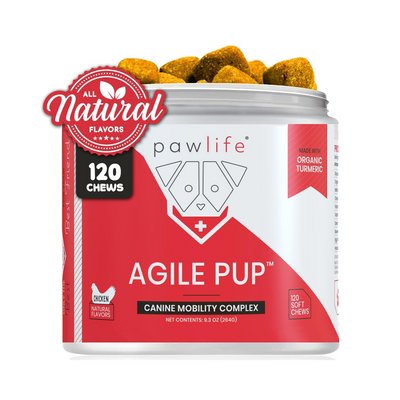
For dogs that tire quickly or have joint stiffness, gentle activities supported with Agile Pup can help keep joints flexible and pain-free, allowing regular movement without discomfort. You can read more about mobility support in The Ultimate Guide to Dog Joint Health.
Mental Enrichment to Prevent Boredom
Chewing is often a symptom of mental boredom. Interactive toys, puzzle feeders, and scent-based games engage your dog’s mind and reduce destructive tendencies. Rotating toys and introducing new challenges can help maintain interest. For anxious or high-strung dogs, Calm Pup helps promote focus and relaxation during downtime or crate rest.
Consider supplementing this with digestive support like Gut Grass Duo, since stress often affects digestion and can lead to restlessness or chewing. For more ways to support your dog’s energy balance naturally, explore Digestive Wellness for Dogs.
When to Consult a Veterinarian
Chewing Related to Anxiety or Medical Issues
While most chewing behavior is normal, persistent or destructive chewing can sometimes indicate a deeper issue. Dogs suffering from separation anxiety may chew excessively when left alone, often targeting doors, bedding, or household objects. If you notice pacing, whining, or destructive episodes every time you leave, consult your veterinarian.
Your vet can help determine if the behavior is stress-related or due to an underlying condition such as gastrointestinal discomfort, dental pain, or neurological issues. In some cases, treatments may include a combination of behavioral therapy, diet adjustments, and natural calming supplements like Calm Pup. For serious anxiety cases, check out Dog Anxiety 101 for natural techniques that complement veterinary care.
Supporting Calm and Comfort Holistically
Dogs experiencing stress often respond well to a multi-pronged approach that includes diet, exercise, mental stimulation, and emotional regulation. Combining Immune Pup for balanced immunity, Gut Grass Duo for digestive stability, and Calm Pup for relaxation creates a foundation for both mental and physical well-being.
Always Be a Gentle Dog Owner
Training With Patience and Consistency
Yelling or punishing a dog for chewing is not only ineffective but can make anxiety worse. Dogs respond to positive reinforcement, consistency, and patience. Instead of focusing on punishment, reward good behavior, maintain a predictable schedule, and use gentle redirection techniques. The goal is to make your dog feel secure, not scared.
Building a Loving, Trust-Based Relationship
Destructive chewing often decreases as the bond between you and your dog strengthens. The more confident and loved your dog feels, the less likely they are to engage in stress-driven behaviors. Spend time training, playing, and resting together — it all builds trust. For a guide to daily care and bonding through nutrition, explore Daily Supplement Routines for Dogs.
Final Thoughts on Curbing Destructive Chewing
Chewing is part of who your dog is — it’s instinctual, comforting, and often beneficial when guided properly. The goal is not to suppress it but to channel it toward safe, positive outlets. With a little patience, structured play, proper nutrition, and supplements like Calm Pup and Gut Grass Duo, your dog can learn to express their natural chewing instincts without damaging your home or endangering themselves.
For continued learning, check out Dog Anxiety 101 and Digestive Wellness for Dogs to deepen your understanding of how physical and emotional health connect in your pet’s daily life.