
Kennel Cough in Dogs: Causes, Symptoms, Treatment, and Natural Recovery Support
Kennel cough, medically known as canine infectious respiratory disease (CIRD), is a highly contagious illness that affects a dog’s respiratory system. Similar to how humans catch a cold, dogs can contract kennel cough through exposure to infected respiratory droplets from coughing or sneezing dogs. While most cases are mild, untreated infections can progress into serious pneumonia—especially in puppies, older dogs, or those with weakened immune systems.
Understanding the symptoms, prevention, and treatment options for kennel cough can help you keep your pet healthy and resilient year-round. To further explore immune support and respiratory wellness, check out Understanding Your Dog’s Immune System and Natural Ways to Support It.

How Kennel Cough Spreads Among Dogs
Kennel cough is transmitted through airborne particles—when an infected dog coughs, sneezes, or even shares water bowls or toys, the bacteria and viruses become airborne or surface-bound. This makes it especially common in dog parks, kennels, daycare facilities, or grooming spaces. Once exposed, symptoms usually appear within three to five days.
Even well-cared-for dogs can contract it, especially during seasonal changes or times of stress. Supporting your dog’s immune system with Pawlife Immune Pup can help strengthen resistance to contagious illnesses and speed recovery if exposure occurs.
For broader insight into maintaining protection in shared environments, see Preventative Care for Dogs: Why Year-Round Protection Matters.
Recognizing the Signs of Kennel Cough in Dogs
Symptoms of kennel cough vary depending on the severity of infection. Mild cases often sound like a dry, honking cough—similar to a goose honk. More severe infections can involve fever, fatigue, and appetite loss. Catching the disease early makes treatment easier and recovery faster.
Common Symptoms of Kennel Cough
- Dry, hacking cough that worsens with activity
- Frequent coughing fits at night
- Retching with a foamy, white discharge
- Mild lethargy or reduced playfulness
Advanced Symptoms Requiring Veterinary Care
- Loss of appetite and sudden weight loss
- Labored or rapid breathing
- Fever and nasal discharge
- Persistent fatigue or disinterest in food
Dogs struggling with recovery often experience stress or anxiety—especially when isolated from other pets. You can help them relax naturally with Calm Pup Calming Support, formulated with soothing ingredients that ease restlessness and support emotional balance. For more behavioral insight, visit Dog Anxiety 101: How to Recognize Stress in Your Pup and Calm It Naturally.
Duration and Recovery Timeline for Kennel Cough
Most mild cases of kennel cough resolve within one to two weeks with proper care, hydration, and rest. However, complicated cases can last three to six weeks, especially if pneumonia develops. Senior dogs or those with chronic conditions may need more recovery time and extra immune reinforcement.
To help your dog recover faster, use gentle respiratory support, avoid strenuous exercise, and maintain humidity in the air. Supplementing with Multi Pup 5-in-1 Dog Multivitamin helps replenish nutrients that strengthen the immune system and respiratory recovery. For immune-boosting diet guidance, read Balancing Your Dog’s Diet for Better Energy and Immune Health.
Veterinary Treatment Options for Kennel Cough
Veterinarians typically diagnose kennel cough based on clinical signs and may prescribe antibiotics if bacterial infections are present. In more severe cases, anti-inflammatory medications or nebulizer therapy may be used to soothe airways and reduce coughing. Always follow your vet’s advice before attempting home remedies, as improper treatment can worsen respiratory irritation.
For ongoing protection against respiratory infections, a yearly Bordetella vaccine is recommended—especially if your dog attends daycare or social events. Complementing vaccines with immune supplements like Immune Pup and stress reducers like Calm Pup can help your pet maintain resilience throughout the year.
Learn how daily vitamins and antioxidants play a key role in your dog’s resistance to infection in The Importance of Daily Vitamins for Dogs.
Home Remedies and At-Home Care for Kennel Cough
Many mild cases of kennel cough can be managed safely at home with natural care. These approaches help soothe irritation, reduce coughing, and keep your dog comfortable during recovery.
1. Honey and Warm Water
Honey naturally coats and soothes the throat, reducing irritation and coughing frequency. Mixing a teaspoon of raw honey into warm water can ease discomfort while providing mild antimicrobial benefits.
2. Humidifier or Steam Therapy
Moist air helps reduce throat dryness and supports easier breathing. Use a humidifier near your dog’s resting space or allow them to sit in a steamy bathroom for a few minutes under supervision.
3. Rest and Limited Activity
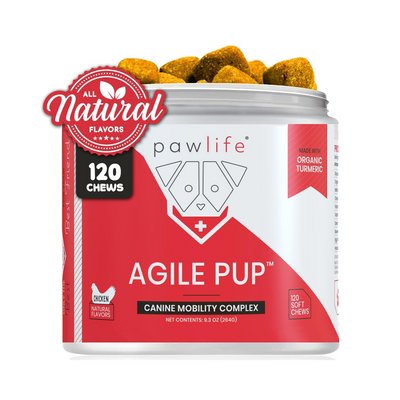
Just like humans with a cold, dogs need rest to heal. Restrict physical activity for a few weeks and create a quiet environment to minimize stress. You can enhance comfort with Agile Pup Hip & Joint Support to ease stiffness and Multi Pup for restorative nutrient balance. Read How to Help Your Dog Recover After Illness or Surgery for step-by-step recovery guidance.
Adding Immune Pup to their routine provides vital antioxidants and probiotics that support faster respiratory recovery while keeping future infections at bay.
Prevention: Keeping Kennel Cough Away for Good
Prevention starts with healthy habits and environmental awareness. Regular vet visits, proper vaccination, and immune-strengthening nutrition go hand in hand. If your dog frequently socializes with others, consider preventive supplements that promote respiratory and immune strength.
For total wellness, build a consistent daily routine using Multi Pup for overall health, Immune Pup for natural defense, and Calm Pup for anxiety relief during recovery or travel. Learn how small daily adjustments can transform long-term health in How to Build a Healthy Routine for Your Dog.
Related Topics & Further Reading
- Dog Anxiety 101: How to Recognize Stress in Your Pup and Calm It Naturally
- Understanding Your Dog’s Immune System and Natural Ways to Support It
- How to Help Your Dog Recover After Illness or Surgery
- The Importance of Daily Vitamins for Dogs
- Balancing Your Dog’s Diet for Better Energy and Immune Health
- Why Your Dog’s Gut Health Matters More Than You Think
Final Thoughts: Respiratory Health Starts with Daily Care
Kennel cough may be common, but with strong immunity, balanced nutrition, and preventive habits, your dog can recover faster and avoid future infections. Prioritize immune support through daily wellness routines that include Multi Pup for vitality and Immune Pup for defense. Stay proactive with insights from the Pawlife Dog Health & Wellness Blog to keep your companion breathing easy and living happily.