
Arthritis In Dogs: What It Is And Why Early Detection Matters
Canine arthritis is a progressive degeneration of joint cartilage that leads to pain, stiffness, and reduced range of motion. Catching it early allows you to slow the process, keep your dog comfortable, and preserve mobility for years. If you want a broader primer on joints before you dive in, read our overview in The Ultimate Guide To Dog Joint Health. The sooner you notice subtle changes and begin a plan with your veterinarian, the better your results and your dog’s quality of life.
Quiet Clues: Subtle Early Signs You Might Be Missing
Morning Stiffness And “Warm-Up” Time
One of the earliest red flags is stiffness after rest, especially first thing in the morning or after naps. Dogs may take a few extra beats to rise, stretch longer than usual, or walk stiffly for the first several steps. You may also notice a “warm-up effect” where movement improves as the day goes on, which can mask how uncomfortable those first few minutes feel. Track this pattern for several days so you can share specifics with your veterinarian.
Reluctance With Stairs, Cars, And Furniture
Hesitation at the bottom of the stairs, pacing before jumping into the car, or refusing to hop on the couch can signal joint discomfort. Sometimes dogs will circumvent the task—choosing a longer route with fewer steps or asking to be lifted. If your dog used to launch into the SUV and suddenly plants their feet, it deserves attention. Review our movement tips in Fun Exercises To Enjoy With Your Dog to keep activity gentle while you investigate.
Changes In Play Style, Gait, Or Posture
Early arthritis often shows up as shorter play sessions, a “bunny-hop” run, toe dragging, or a subtle head bob when walking. You might also see a tucked tail, an arched back, or shifting weight away from a sore limb. Watch play with favorite toys and note if your dog avoids tight turns or abrupt stops that once came easily. Our article 9 Symptoms Of Arthritis In Dogs lists additional gait cues to watch.
Mood, Sleep, And Grooming Changes
Discomfort can present as irritability, restlessness at night, or licking and chewing around a painful joint. Some dogs develop stress behaviors—panting at rest, pacing, or withdrawing from family games. If anxiety escalates during flare-ups, see Dog Anxiety 101 and consider supportive calming tools outlined below.
Simple At-Home Checks To Track What You See
Weekly Mobility Log
Keep a one-page log of rising time, stairs, walk duration, and post-activity stiffness. Note “good,” “okay,” or “hard” for each task so trends are obvious over weeks. Pair this with a quick 30-second phone video of your dog walking straight toward and away from you in good light. These clips help your veterinarian spot subtle lameness you may not catch.
Gentle Range-Of-Motion Check
With your dog relaxed, slowly flex and extend each limb through a comfortable arc; never force movement or cause pain. Stop if your dog withdraws the limb, stiffens, or turns to look at the joint. Uneven range or protective reactions are useful details for your vet visit. If anything seems off, reduce high-impact play until you’ve been evaluated.
When To See Your Veterinarian
Book an appointment if stiffness lasts longer than two weeks, if you see limping, or if your dog yelps when moving or being touched. Your vet may recommend radiographs, lab work, and a multi-modal plan that can include prescription medications when appropriate. For peace of mind on product choices, see our Veterinarian-Approved page and bring any questions to your visit. Professional guidance ensures your home plan complements medical care safely.
Your Evidence-Based Home Support Plan
1) Keep A Lean, Strong Body
Every extra pound adds meaningful load to sore joints. Feed measured meals, avoid table scraps, and use low-calorie training treats. If your dog needs digestive help while you adjust calories, review Tips To Support Better Digestion and consider a gut-balancing supplement like Pro Pup from our Digestion collection. Healthy digestion supports consistent energy for daily mobility work.
2) Move Daily, But Smart
Short, frequent walks on level surfaces keep joints lubricated without overloading them. Replace ball-launch marathons and hard braking with sniff walks, puzzle games, and controlled leash work. Add two or three five-minute sessions of gentle strengthening—sit-to-stand reps, slow controlled stairs, and figure-eight walking. Browse low-impact ideas in Exercises You Can Do With Your Pet.
3) Make Home Easier On Joints
Provide a supportive, orthopedic bed and non-slip rugs on slick floors. Use ramps for cars and couches, and place food and water bowls at comfortable heights. Keep nails trimmed to improve traction and reduce strain on toes and wrists. Small environmental tweaks meaningfully reduce daily micro-trauma to sensitive joints.
4) Supportive Nutrition And Targeted Supplements
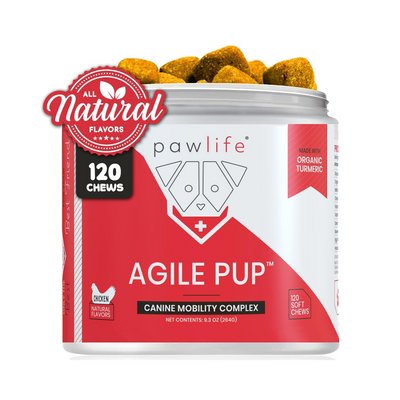
Joint-specific nutrients can help protect cartilage and moderate inflammation when used consistently. For daily joint support, see Agile Pup in our Hip & Joint collection; it’s formulated with mobility-focused ingredients for aging and active dogs alike. Pair joint care with omega-3s from Wild Alaskan Salmon Oil or the broader nutrition profile in Omega Pup, and learn why omegas matter in this omega-3 explainer. For a convenient bundle designed for mobility and calm, explore Comfort & Move Duo and Strong & Complete Duo.
5) Calm The Mind To Protect The Body
Stress and pain amplify one another. During flares, create quiet rest zones and predictable routines, and consider gentle calming support such as Calm Pup (Duck) or Calm Pup (Bacon). See additional tips in Easing Dog Anxiety. A calmer dog loads joints less aggressively and recovers more quickly after activity.
Managing Flares And Complementary Care
Heat, Cold, And Massage
Warm compresses before walks and cool packs after activity can ease soreness, provided your dog tolerates them and you protect the skin with a towel. Light massage along the large muscle groups helps circulation and reduces guarding from chronic pain. Always avoid direct pressure on joints and stop if your dog resists. Discuss appropriate use with your veterinarian for personalized guidance.
Medication And Rehab Partnerships
Many dogs benefit from a veterinarian-prescribed anti-inflammatory or pain medication during flare-ups or long-term. Canine rehabilitation—such as underwater treadmill, targeted exercises, and laser therapy—adds strength without impact. Combining professional care with the home strategies above yields the best outcomes. If you need help getting started, use our Contact page to reach the team for guidance on product selection you can discuss with your vet.
Medication And Rehab Partnerships (continued)
If you need help getting started, use our Contact page to reach the team for guidance on product selection you can discuss with your vet. A professional evaluation ensures your supplement choices work safely alongside prescribed medications or therapies. In many cases, combining vet-recommended treatments with natural support from Pawlife Pets products delivers the best long-term outcomes—balancing mobility, digestion, and emotional calm.
Building A Sustainable Routine For Lifelong Mobility
The most effective arthritis management plan is one you can sustain every day. Consistency with diet, movement, and supplement schedules builds gradual, lasting improvement. Using a rotating plan that includes Agile Pup for joint health, Omega Pup for anti-inflammatory support, and Pro Pup for digestion keeps your dog’s system balanced and strong. When paired with periodic checkups and adjustments to activity, these small daily actions keep arthritis symptoms controlled and energy high.
Creating Balanced Days
Alternate activity and rest throughout the day. Begin mornings with gentle movement to loosen joints, followed by a brief walk and light stretching. Midday rest on an orthopedic bed helps recovery, while calm evening walks promote relaxation and smoother nighttime sleep. Adding Calm Pup chews during high-stress days can support both mobility and emotional comfort. Visit our Balanced Daily Routine Guide to design a schedule that fits your dog’s age and condition.
Preventing Future Joint Damage
Prevention is often easier than recovery. Introducing joint protection early—especially for large or athletic breeds—can delay or minimize arthritis entirely. Our article Preventing Arthritis In Young Dogs outlines how early supplementation with glucosamine, omega-3s, and antioxidants can preserve joint cartilage and mobility as dogs mature. Even moderate, lifelong attention to diet and movement dramatically reduces risk.
Choosing The Right Supplements Early
Puppies and active adult dogs benefit from preventive supplementation. Starting with mild joint support such as Agile Pup ensures cartilage stays healthy through growth and exercise. Pair this with Omega Pup to reduce oxidative stress on developing joints. Our Working Dog Health article expands on how professional canine units maintain peak performance through joint and digestive care.
Giving Your Dog Comfort, Confidence, And Care
Arthritis doesn’t have to mean slowing down for good. With attentive observation, consistent care, and support from quality supplements, your dog can continue enjoying walks, playtime, and family adventures for years. Explore the full Hip & Joint Collection for mobility solutions, or read companion blogs like Supporting The Health Of Working Dogs With Natural Supplements and Essential Tips For Traveling With Your Dog to keep your pup active and happy wherever life takes you.