
Understanding the Risks of Feeding Human Food to Dogs
Every dog parent has been tempted to share a little bite from their plate with those pleading puppy eyes staring up at the table. While it feels harmless, not everything we eat is safe for our furry companions. Some human foods can cause mild stomach issues, while others can lead to severe illness — or worse. At Pawlife Pets, we’re dedicated to helping you make safe, healthy nutrition choices for your four-legged family members. This guide covers the most common foods that are dangerous for dogs, why they cause harm, and what safe alternatives you can offer instead.
Understanding the Canine Digestive System
Before diving into the “do not feed” list, it’s important to understand why dogs can’t eat certain foods. A dog’s digestive system is built differently from ours — it’s shorter, faster, and less capable of processing many complex sugars, fats, and chemicals found in human foods. Their liver and pancreas also respond differently to toxins like caffeine, chocolate, and xylitol. Even trace amounts can trigger serious reactions.
That’s why maintaining a balanced diet designed specifically for dogs is critical. Supplements such as Multi Pup 5-in-1 Multivitamin and Omega Pup support daily nutrition, ensuring your pup receives essential vitamins, minerals, and fatty acids without risky ingredients found in many “human” snacks.
Common Toxic Foods and Their Dangers
Alcohol
Alcohol affects dogs just as it does humans, but their smaller body mass and slower metabolism make it far more dangerous. Even small amounts of beer, wine, or liquor can cause vomiting, breathing difficulties, and coordination loss. Severe cases lead to coma or death. Always store alcoholic beverages out of reach and clean spills immediately.
Avocado
Avocado contains persin, a toxin that can lead to vomiting, diarrhea, and even obstruction in the intestines or stomach. Instead of offering guacamole scraps, reward your pup with a few slices of safe fruits such as apples or blueberries. You can find a detailed guide on pet-safe produce in our article 7 People Foods That Are Safe for Dogs.
Caffeine and Chocolate
These are two of the most well-known toxic substances for dogs, containing compounds such as theobromine and caffeine that overstimulate the nervous system. Even small doses can cause restlessness, tremors, irregular heartbeats, and seizures. Always avoid letting your dog lick mugs, wrappers, or coffee spills. Instead, give them a calming treat like Calm Pup Duck Flavor to satisfy their craving for attention while keeping them safe.
Fat and Bones
While dogs naturally love the smell of meat, feeding them table scraps can be harmful. Cooked bones splinter easily, causing choking or internal injuries, while fatty meats can lead to pancreatitis. Stick to specially formulated chews or treats made for digestion and joint support, such as Comfort Move Duo, which provides nutrients without the risk.
Grapes and Raisins
Even a single grape can cause kidney failure in some dogs, though the exact toxin is still unknown. Symptoms include vomiting, lethargy, and decreased appetite. Always check ingredients in granola bars or trail mixes before sharing snacks.
Human Medication
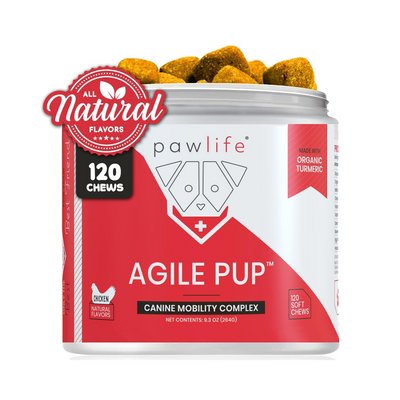
Many medications, from ibuprofen to cold medicine, are extremely toxic to dogs. Never administer human medicine without veterinary approval. If your pet is showing signs of pain or inflammation, talk to your vet about safe options or explore natural joint support like Agile Pup, formulated for mobility and comfort.
Dairy Products
Most adult dogs are lactose intolerant, meaning they lack the enzyme lactase needed to digest milk sugars. Feeding them ice cream, cheese, or milk can cause bloating, gas, and diarrhea. Opt for cooling hydration with plenty of fresh water or small frozen dog-safe fruit cubes for hot days.
Nuts
Macadamia nuts are especially dangerous for dogs, leading to tremors, weakness, fever, and vomiting. Other nuts are high in fat and can cause pancreatitis. For healthy fats, try adding a spoonful of Wild Alaskan Salmon Oil to their meal — it supports heart and coat health without harmful effects.
Onions and Garlic
These ingredients contain compounds that damage red blood cells, leading to anemia. Avoid feeding your dog leftovers containing seasoning mixes, soups, or sauces. Symptoms include lethargy, weakness, and pale gums.
Pits and Seeds (Persimmons, Peaches, and Plums)
The pits of these fruits contain cyanide — a toxin that prevents oxygen from circulating in the bloodstream. Swallowed pits also cause intestinal blockages. Stick to seedless fruit options like watermelon or banana for a safer treat.
Raw Eggs
Raw eggs risk contamination from Salmonella or E. coli. They can also interfere with biotin absorption, leading to poor skin and coat quality. For natural alternatives, choose fortified dog foods or supplement with Shine & Digest Duo for healthy skin and digestion.
Salt and Sugary Foods
High salt intake leads to sodium ion poisoning, while sugar contributes to obesity, dental problems, and even canine diabetes. Skip processed snacks and instead give your dog Turf Treats, a healthy bite designed to promote digestion and protect lawn health.
Xylitol
This common artificial sweetener, often found in sugar-free gum and baked goods, causes insulin spikes that lead to dangerously low blood sugar and liver failure in dogs. Store sweet snacks and toothpaste securely to prevent accidental ingestion.
Yeast and Dough
Raw dough expands inside a dog’s stomach, causing bloating, pain, and alcohol poisoning due to fermentation. Always bake fully before serving anything near your dog, and never leave bread dough unattended within reach.
Hidden Dangers: Foods You Might Not Think About
Some items that seem innocent can still upset your dog’s stomach. Cooked onions in gravy, bits of bacon from breakfast, or trail mix shared during hikes may all contain ingredients harmful to dogs. Even “natural” foods like mushrooms or nut butter blends can hide toxins or sweeteners like xylitol.
For healthy snacking alternatives, read our blog 7 People Foods That Are Safe for Dogs or explore Pawlife Soft Chew Treats, designed with canine-safe ingredients your pup will love.
Safe and Healthy Alternatives for Your Pup
It’s easy to avoid dangerous foods when you know what’s safe. Offer your dog fresh options in moderation, such as:
- Cooked lean meats (chicken, turkey, beef)
- Dog-safe vegetables (carrots, pumpkin, green beans, sweet potatoes)
- Fruits like apples, blueberries, and watermelon (no seeds!)
For added nutritional support, pair healthy meals with supplements from Pawlife’s natural wellness collection. Our formulas, such as Pro Pup and Immune Pup, strengthen digestion, immunity, and energy — naturally.
How to Respond If Your Dog Eats Something Toxic
If you suspect your dog has ingested something harmful, don’t wait for symptoms. Call your veterinarian or a local emergency pet clinic immediately. You can also contact the ASPCA Poison Control Center at (888) 426-4435.
Be ready to provide details like what was eaten, how much, and when. Do not induce vomiting unless specifically advised by a professional. Quick action can mean the difference between mild discomfort and life-threatening illness.
Building a Safer Feeding Routine
Keeping your dog’s diet consistent is one of the best ways to prevent accidental poisoning or digestive upset. Establish set feeding times, use designated bowls, and keep human food out of reach. You can supplement meals with natural products like:
- Gut Grass Duo – supports digestion and healthy microbiome.
- Calm Clear Duo – helps ease food-related anxiety and sensitivities.
- Multi Pup 5-in-1 – ensures nutritional balance every day.
Final Thoughts: Smart Feeding Keeps Dogs Safe
Your dog relies entirely on you to make the right nutrition choices. Avoiding toxic foods isn’t about being restrictive — it’s about protecting the heart, gut, and energy that make your companion so special. The best way to care for them is through balanced meals, mindful treats, and trusted supplements formulated for their needs.
Explore Pawlife’s full collection of natural wellness products and read more expert-backed guides on the Pawlife Pets Blog to keep your pup healthy and happy for years to come.