
Understanding How Raw Food Affects Your Dog’s Health
Few topics spark as much debate in the pet community as raw feeding. While some dog owners praise the diet for restoring vitality and improving digestion, others — including veterinarians — warn about bacterial contamination and nutritional imbalance. So what’s the truth? Is raw feeding a natural return to a dog’s ancestral diet, or a risky trend with more potential harm than good?
Let’s break it down and explore both sides of the story — from its origins and purported benefits to the scientifically documented risks — while also exploring natural alternatives and supplements available through Pawlife Pets that can support similar results safely.
The Origins of the Raw Food Diet for Dogs
The modern raw feeding movement began in 1993, when Australian veterinarian Dr. Ian Billinghurst introduced the concept of the BARF diet — short for “Biologically Appropriate Raw Food.” His theory was simple: dogs, as descendants of wolves, should thrive on a diet of uncooked meat, bones, vegetables, and fruits, similar to what their wild ancestors consumed before domestication.
Billinghurst argued that commercial kibble diets, often filled with carbohydrates, preservatives, and synthetic additives, lacked the enzymes and nutrients found in natural food. His followers quickly spread the message, believing raw feeding restored vitality, improved coats, and reduced health problems.
Today, the raw food trend has millions of followers worldwide — from home-prepared feeders to prepackaged raw diet brands. Yet, despite its popularity, the raw debate continues as veterinary research reveals the complexities of feeding dogs uncooked food safely.
Potential Benefits of a Raw Food Diet
Supporters of the raw diet cite a variety of improvements in their dogs’ health after making the switch. These potential benefits include visible changes in coat quality, increased energy, and better digestion. Let’s take a closer look at the claims — and how they compare to balanced nutrition supported by Pawlife’s natural supplements.
1. Higher Energy and Vitality
Raw food advocates claim their dogs become more energetic and alert after switching to a natural diet. Raw foods are high in protein and unprocessed nutrients, which can enhance muscle development and overall energy levels. However, achieving balanced nutrition with raw ingredients alone can be difficult — especially when accounting for varying activity levels and breed needs.
For owners looking to boost their dog’s energy safely, supplements like Multi Pup 5-in-1 Multivitamin or Immune Pup offer the same vitality benefits without the risk of pathogens associated with raw meat.
2. Shinier Coat and Healthier Skin
Another common claim is that raw-fed dogs develop softer, shinier coats and reduced shedding. This improvement is primarily linked to the increased intake of essential fatty acids from raw meat and fish. While true to some extent, a balanced supplement like Wild Alaskan Salmon Oil provides Omega-3 and Omega-6 fatty acids in a controlled, contaminant-free form, offering the same benefits with none of the bacterial risks of raw fish or meat.
Our blog Helpful Remedies for Treating Your Dog’s Dry, Itchy Skin explores how omega-rich nutrition contributes to healthy skin and fur — and how to build it into your pup’s daily routine safely.
3. Improved Dental Health
Proponents of raw feeding claim that chewing raw bones helps clean teeth and reduce tartar buildup. While mechanical chewing can aid dental hygiene, it comes with dangers — such as broken teeth or choking. Safer options include dental chews, or oral-health-focused supplements. You can also check out our educational guide Dental Care: More Than a Toothbrush and Toothpaste for safe, natural alternatives.
4. Better Digestion and Smaller Stools
Many raw feeders report smaller, firmer stools — a sign of efficient digestion and nutrient absorption. However, this can also be achieved through high-quality digestive supplements like Gut Grass Duo or Pro Pup Pumpkin Digestive Supplement. Both are formulated to promote healthy gut bacteria and regularity without relying on raw animal products that can carry harmful bacteria.
5. Leaner Physique and Muscle Definition
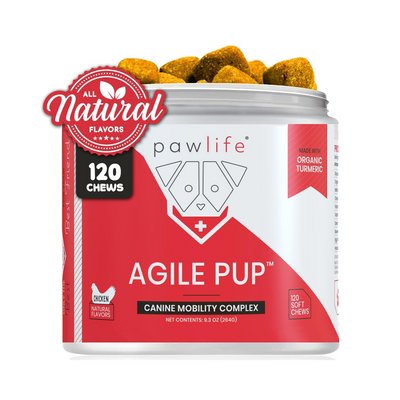
Because raw diets are typically high in protein and low in carbs, some dogs develop more defined muscle tone and a leaner physique. While that can be desirable, it’s important to maintain balance — excessive protein without supporting nutrients can strain the kidneys over time. For safe muscle maintenance, consider pairing a lean-protein diet with a product like Agile Pup to support muscle and joint integrity naturally.
Risks Associated with a Raw Food Diet
While raw feeding has vocal supporters, the veterinary community has documented several risks. The most significant concerns involve bacterial contamination, nutritional imbalance, and physical hazards from bones.
1. Nutritional Imbalance
Dogs need a precise balance of protein, fat, vitamins, and minerals. Homemade raw diets often lack essential nutrients such as calcium, zinc, and certain amino acids. Without professional formulation, these diets can lead to deficiencies or long-term health issues. According to the American Veterinary Medical Association (AVMA), raw diets must be supplemented carefully — often requiring veterinary oversight and lab-tested ingredients.
Adding a daily multivitamin like Multi Pup 5-in-1 helps fill nutritional gaps safely while supporting immune health and metabolism.
2. Bone Hazards and Physical Injury
Whole bones can splinter during chewing, causing choking, broken teeth, or internal punctures. Cooked bones are especially dangerous, but even raw ones can be risky. Veterinarians recommend safer alternatives such as soft dental treats or chew toys to satisfy natural instincts without harm.
3. Bacterial Contamination
Raw meat often carries pathogens like Salmonella, E. coli, and Listeria, which can infect both pets and humans. These bacteria pose particular danger to households with children, elderly individuals, or immunocompromised members. Studies published in the Journal of the American Veterinary Medical Association show contamination rates as high as 60% in raw pet foods. Proper handling, freezing, and sanitation are crucial — but contamination risks never fully disappear.
4. Excessive Vitamin A and Imbalanced Ratios
Too much organ meat — such as liver — can lead to Vitamin A toxicity, causing bone abnormalities and muscle weakness. Because raw feeders often estimate portions without lab testing, vitamin imbalance becomes a real concern. Balanced supplements like Multi Pup ensure your dog gets safe, consistent nutrient levels without overdose risk.
5. Zoonotic Risks for Owners
Raw diets can pose indirect health risks to humans, as pathogens from raw meat may spread via contact, surfaces, or feces. According to the Centers for Disease Control and Prevention (CDC), raw pet food can transmit bacterial infections to people — even when dogs appear healthy. Practicing hygiene, such as handwashing and disinfecting surfaces, is vital for safety if you choose to feed raw.
Expert Opinions and Veterinary Research
Most veterinary nutritionists recommend caution when feeding raw diets. While some dogs adapt well, others experience gastrointestinal upset, infections, or nutrient deficiencies. Instead of eliminating commercial foods entirely, experts often suggest a hybrid approach — incorporating high-quality kibble or cooked diets supported by natural supplements.
For example, pairing a balanced diet with Shine & Digest Duo and Comfort Move Duo ensures your dog gets consistent nutrition for gut health and mobility while avoiding raw food risks. The Five Common Natural Supplements for Dogs article on our blog explores even more natural support strategies recommended by veterinarians.
How to Transition Your Dog Safely — If You Choose Raw
If you decide to explore raw feeding despite the risks, follow strict guidelines to protect both your dog and your household:
- Consult your veterinarian or a certified canine nutritionist before changing diets.
- Always source meat from reputable suppliers and freeze it for several days to kill parasites.
- Keep raw and cooked foods separate to prevent cross-contamination.
- Clean feeding areas, bowls, and storage containers daily.
- Monitor your dog’s stool, energy, and coat quality during the transition.
Start by mixing small portions of raw with your dog’s regular food and gradually increase over a week or two. During this process, continue using supplements like Pro Pup and Immune Pup to stabilize digestion and support immune function during dietary change.
Safe Alternatives to Raw Feeding
Many of the perceived benefits of raw food — like shinier coats, better digestion, and higher energy — can be achieved through safe, cooked diets and natural supplements. Pawlife’s line of veterinarian-approved wellness formulas are designed to deliver these same results, without exposure to bacteria or imbalance risks.
Consider these options for your pup:
- Omega Pup for skin, coat, and brain support
- Pro Pup for gut balance and digestive comfort
- Agile Pup for joint mobility and flexibility
- Multi Pup 5-in-1 for total daily nutrition
Conclusion: The Balanced Path Forward
Raw feeding may have its appeal, but it also carries significant risks. The best path for most dogs lies in balance — combining high-quality, cooked or commercial diets with targeted natural supplements that enhance vitality, digestion, and immunity. Whether you choose raw or not, your dog’s wellbeing should always come first.
At Pawlife Pets, we’re here to help you make informed choices with science-backed nutrition that keeps your companion happy, healthy, and safe. Because when it comes to your dog’s health, the smartest diet is one built on care, knowledge, and balance — not controversy.