
The First 90 Days With a Rescue Dog: Building Confidence, Health, and Trust
Bringing home a rescue or shelter dog is one of the most rewarding decisions you can make, but those first ninety days are also some of the most important. During this time, your new companion is figuring out whether they are finally safe, learning your routines, and adjusting to a new diet, environment, and pace of life. A thoughtful plan that blends patience, structure, and proactive wellness support can transform those early weeks into a strong foundation for lifelong health and trust. If you love adoption stories, you can explore even more inspiration in 5 Reasons Why Shelter Dogs Are the Best as you prepare for your new arrival.
Understanding The “Decompression Period” For Rescue Dogs
Many rescue dogs arrive with emotional baggage, even if their behavior seems calm at first. New sounds, smells, and expectations can be overwhelming, so it is common for dogs to shut down, pace, or cling to one person while they adjust. This is often called the “decompression period,” a window of a few days to several weeks where your dog is simply learning that this new space is safe. During this time, keep routines simple and predictable, and resist the urge to introduce too many visitors, activities, or environments all at once. For deeper insight into stress signals and how to respond, read Dog Anxiety 101.
Early Body Language And Behavior Cues
Your new dog might show stress in subtle ways before you ever see a growl or bark. Lip licking, yawning when not tired, looking away, pacing, shaking off, or hiding in corners can all be signs that your dog feels uncertain. On the other hand, slow tail wags, soft eyes, and relaxed posture usually indicate that your dog is starting to feel more secure. Watching these cues closely helps you adjust the environment, give more space, or offer gentle encouragement when needed. To better understand the signals you are seeing, the article The Secret Language of Your Dog provides a helpful guide to everyday canine communication.
Designing A Safe, Predictable Home Environment
A safe home base is the first gift you can offer a rescue dog. Choose one quiet room or section of your home as a “landing zone” stocked with a comfortable bed, water bowl, a few toys, and a crate or den-like space if your dog finds that reassuring. Keep noise levels low and limit access to only a few trusted people in the early days. A calm, consistent environment tells your dog that they do not have to stay on constant alert, which is especially important for pups coming from shelters, busy streets, or unstable homes. As your dog grows more confident, you can gradually expand their access and introduce new rooms and experiences.
Creating A Stress-Reducing Routine
Dogs thrive on structure, and rescue dogs often find comfort in predictable patterns after the chaos of their previous lives. Set regular times for meals, walks, play, and rest, and try to keep those times consistent from day to day. This routine helps regulate digestion, energy, and sleep while also lowering anxiety. If your dog struggles with separation or routine changes, review Dog Separation Anxiety and How to Minimize It for additional strategies to build independence gently.
Supporting Sensitive Digestion During The Transition
Many rescue dogs arrive with sensitive stomachs from stress, abrupt food changes, or previous poor nutrition. Loose stool, gas, or tummy noises are common during the first weeks in a new home. Whenever possible, ask what food your dog has been eating and transition gradually by mixing the old food with the new over seven to ten days. Digestive support is especially helpful during this time, both to make the transition smoother and to help your dog absorb more of the nutrients in their food.
How Pro Pup Helps New Dogs Settle In
A targeted digestive supplement like Pro Pup from the Digestion collection can play a big role in your rescue dog’s first ninety days. Pro Pup combines pumpkin, prebiotics, probiotics, and digestive enzymes to support gut balance while your dog adjusts to a new food routine. A healthier gut can mean firmer stools, less gas, and even better breath, which makes everything from house training to cuddling more pleasant. For a deeper dive into why digestion matters so much, see The Importance of Your Dog’s Digestive Health.
Slow, Steady Feeding Habits
Some rescue dogs gulp food due to past scarcity, while others pick at meals because they feel anxious. Feed measured portions at consistent times and avoid free-feeding so you can monitor appetite and stool quality. If your dog eats too quickly, consider a slow feeder bowl or puzzle feeder, which can also provide mental enrichment. Should you eventually transition from puppy to adult food or adjust formulas as your dog ages, How to Know When Your Puppy Is Ready for Adult Dog Food offers helpful guidelines that also apply to young rescue dogs.
Calming Anxiety And Building Emotional Security
Anxiety is extremely common in rescue dogs, whether it shows up as clinginess, pacing, barking, or hiding. Storms, visitors, loud vehicles, or even everyday household noises can trigger worry in a dog who is still deciding whether this new home is truly safe. Layering environmental support, training, and targeted calming supplements can make the adjustment much easier for both of you. A calmer dog learns faster, bonds more easily, and is less likely to develop destructive coping behaviors.
Using Calm Pup As Part Of A Comfort Plan
Calming chews like Calm Pup Duck or Calm Pup Bacon from the Calming collection can provide gentle support when your dog is struggling with new sounds, storms, or alone time. These formulas are designed to promote relaxation without sedation, making them a smart choice before stressful events like thunderstorms, fireworks, or first crate-training sessions. For storm-specific strategies, read How to Calm Your Dog During Thunderstorms, Rain, and Lightning.
Building Confidence Through Training And Play
Positive reinforcement training and structured play sessions are powerful tools for building trust with a rescue dog. Short training sessions using treats, praise, and gentle guidance help your dog learn your expectations while boosting their confidence. Incorporate simple cues like sit, stay, and touch, and celebrate every success. Interactive play and exercise ideas in Fit and Furry: Exercises You Can Do With Your Pet and Spring Into Action: Fun Exercises to Enjoy With Your Dog are great starting points as you learn what your new dog enjoys most.
Supporting Joints, Skin, And Coat From Day One
Even if your rescue dog is young, it is never too early to think about long-term joint and skin health. Dogs who spent time in shelters, on hard surfaces, or with poor nutrition may already have early stiffness or a dull coat when they arrive. Addressing these concerns proactively can help your dog feel more comfortable as they begin walking more, playing, and exploring their new life with you.
Joint Support For Active Or Previously Neglected Dogs
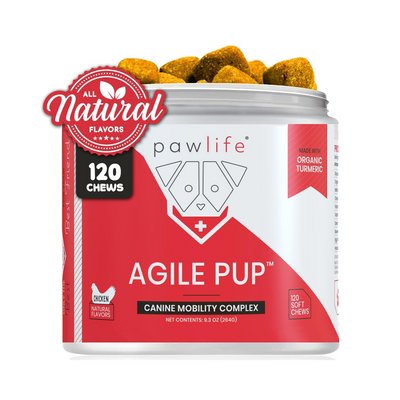
A hip and joint supplement like Agile Pup from the Hip & Joint collection is especially helpful for dogs who are returning to activity after a sedentary shelter stay or for medium and large breeds at higher risk of joint issues. Agile Pup is designed to support cartilage, mobility, and comfort so your dog can enjoy walks, play sessions, and hikes without as much strain. If you want a broader overview of joint health, The Ultimate Guide to Dog Joint Health is a great next read.
Using Omega Pup For Coat, Skin, And Overall Comfort
Many rescue dogs arrive with dry, flaky skin or a dull coat due to stress, previous diet, or environmental exposure. Omega Pup from the Skin & Coat collection provides omega-3, 6, and 9 fatty acids that help nourish the skin, support a healthy coat, and promote a balanced inflammatory response throughout the body. This support can be especially helpful during seasonal shifts, as covered in Seasonal Dog Care: How to Support Your Pup’s Health Year-Round.
Filling Nutritional Gaps With A Daily Multivitamin
Because many rescue dogs come from uncertain backgrounds, it is not always clear what they have been eating—or missing—for most of their lives. A balanced diet is the foundation of good health, but even high-quality foods can leave small gaps, especially during times of stress or transition. Adding a comprehensive multivitamin is an easy way to support many body systems at once while your dog gets settled.
How Multi Pup Supports Whole-Body Wellness
Multi Pup 5-in-1 Dog Multivitamin provides targeted support for joints, immunity, digestion, skin, and coat in one daily soft chew. For a rescue dog, this means extra help while the body adapts to better food, deeper rest, and more activity. Multi Pup pairs well with other Pawlife staples like Pro Pup, Calm Pup, Agile Pup, and Omega Pup when you want to build a simple, tailored routine. For a broader view of how these pieces fit together, read Prioritizing Your Dog’s Overall Wellness.
Fiona’s Story: From Heartworm Diagnosis To Thriving Family Member
In our own home, we saw just how powerful those first ninety days can be when we brought home Fiona, a shy Brittany mix with soft eyes and a worried expression. At first, she moved through the house like a guest who was afraid to overstay—sticking to corners, flinching at sudden sounds, and sleeping with one eye open. We focused on quiet routines, gentle walks, and lots of calm, predictable reassurance so she could start to believe that this time, the home she had landed in was truly hers. Even before we knew the full picture of her health, the basics of digestion support, anxiety relief, and rest became the backbone of her early days with us.
At her veterinary visit, we learned that Fiona had stage 2 heartworms, a diagnosis that was both frightening and overwhelming. Treatment meant carefully managed activity, regular vet visits, and a close eye on her energy, breathing, and appetite. During that time, we leaned heavily on the kind of support outlined in this guide: a digestive helper like Pro Pup when stress unsettled her stomach, calming routines and tools similar to Calm Pup–style support during thunderstorms or long rest periods, and joint and coat care like Agile Pup and Omega Pup as she slowly transitioned from crate rest to real walks again. Five years later, Fiona is still with us—healthy, silly, and fully part of the family—and her story is a reminder that when medical care, patient routines, and whole-body wellness come together, a rescue dog’s past does not have to define their future.
Checking In With Your Veterinarian And Planning Ahead
A veterinary checkup within the first few weeks is essential for every rescue dog. Your vet can screen for underlying conditions, update vaccines, address any immediate concerns, and help you design a long-term wellness plan. Bring notes about behavior, appetite, energy, and stool quality, along with a list of any supplements you have started, such as Pro Pup, Calm Pup, Agile Pup, Omega Pup, or Multi Pup. Partnering with your veterinarian ensures that your home care aligns with professional guidance, especially if your dog has special medical needs.
Preparing For The Next Chapters
The first ninety days are just the beginning of your journey together. As your dog’s confidence grows, you can expand their world with new adventures, training goals, and activities. Articles like The Great Outdoors: How Nature Time Boosts Your Dog’s Mood and The Ultimate Dog Mom & Dad Starter Pack can give you ideas for what comes next. Combined with a thoughtful supplement routine and plenty of patience, those first three months can turn a worried rescue into a confident family member.
Welcoming Your Rescue Dog Home, The Pawlife Way
Adopting a rescue dog is a beautiful blend of heart and responsibility. By focusing on digestion, calm, joint comfort, skin and coat health, and daily nutrition, you can help your new companion feel safe in their body and secure in their new home. Pawlife products like Pro Pup, Calm Pup, Agile Pup, Omega Pup, and Multi Pup are designed to support that journey from the inside out. With time, consistency, and the right wellness tools, the first ninety days with your rescue can set the stage for years of joy, trust, and tail wags.