
Heartworm Disease in Dogs: Understanding, Prevention, and Long-Term Wellness for Every Pet Owner
Heartworm disease is one of the most serious yet preventable threats to canine health. Caused by the parasitic worm Dirofilaria immitis and spread through mosquito bites, this condition affects a dog’s heart, lungs, and circulatory system. Once infected, worms can grow over a foot long, reproduce, and cause lasting organ damage if left untreated. Understanding how this disease develops—and how to prevent it—can help your dog live a longer, more vibrant life.
According to the U.S. Food & Drug Administration (FDA), heartworm infections have been reported in all 50 states. Because dogs serve as the parasite’s natural host, prevention and early detection are critical. Combining veterinary care with nutritional supplements such as Pawlife Multi Pup 5-in-1 Dog Multivitamin and Immune Pup can help strengthen immune defenses, improve circulation, and support overall cardiovascular wellness year-round.
To understand how your dog’s immune response protects against infections, read Understanding Your Dog’s Immune System and Natural Ways to Support It and How Probiotics Help Your Dog’s Gut and Immune Health.

How Mosquitoes Introduce and Spread Heartworm Infection in Dogs
Heartworm disease begins when a mosquito carrying heartworm larvae bites a dog, transmitting microscopic parasites into the bloodstream. These larvae mature over several months, eventually settling in the heart, lungs, and nearby arteries. Without early prevention, the worms reproduce and obstruct blood flow, leading to fatigue, organ strain, and potentially heart failure.
Even indoor dogs aren’t completely safe—mosquitoes can enter through open doors or windows. That’s why year-round prevention is essential. Consistent heartworm prevention paired with nutritional support keeps your dog’s immune system alert and resilient. Learn more about maintaining consistent protection in Preventative Care for Dogs: Why Year-Round Protection Matters.
For additional protection during mosquito season, pairing veterinarian-prescribed heartworm preventives with Immune Pup can help reinforce the immune system’s natural defense mechanisms and reduce vulnerability to parasitic infections.
How Heartworm Damages a Dog’s Heart, Lungs, and Circulation
As heartworms grow, they begin to restrict blood flow between the lungs and heart. This strain causes inflammation, reduced oxygenation, and an increased workload on the heart muscle. Over time, the heart may enlarge, lung tissue may scar, and breathing difficulties can worsen. Dogs often become lethargic or lose interest in activities they once loved.
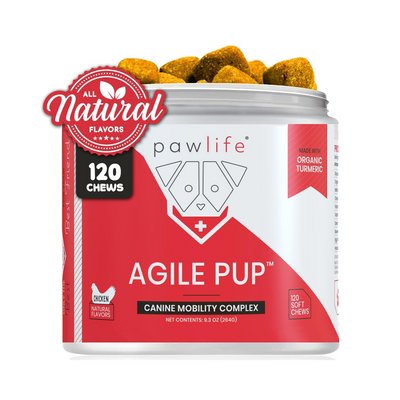
Maintaining cardiovascular strength through targeted supplements is key during prevention and recovery. Multi Pup 5-in-1 Dog Multivitamin supports circulatory and heart health, while Agile Pup Hip & Joint Support aids comfort and flexibility—important for dogs recovering from weakness or inactivity. For more guidance, read The Ultimate Guide to Dog Joint Health to understand how inflammation affects both mobility and circulation.
Nutrition also plays a significant role in managing inflammation. Incorporating omega fatty acids and probiotics—like those in Multi Pup—helps reduce stress on the heart while improving immune balance. To see how digestive health influences circulation, visit Why Your Dog’s Gut Health Matters More Than You Think.

Recognizing Subtle and Advanced Signs of Heartworm Infection
Heartworm disease can progress silently for months before showing noticeable symptoms. Early indicators include fatigue, light coughing, or reluctance to exercise. As the disease advances, dogs may develop persistent coughing, shortness of breath, weight loss, or fainting. In the most severe cases, a life-threatening condition known as Caval Syndrome occurs, where worms block major blood flow to the heart.
Dogs with mild signs can still experience internal inflammation that weakens their immune response. Strengthening daily immunity through Immune Pup and maintaining gut balance with probiotics can improve resilience against infection-related fatigue. Read Common Signs Your Dog Might Be Hiding Discomfort to recognize early changes before symptoms become severe.
For holistic care, consider combining heartworm screening with regular wellness checks. Learn how to detect early imbalances in How to Build a Healthy Routine for Your Dog.
Treatment, Recovery, and Immune Support During Heartworm Therapy
Treatment for heartworm typically involves melarsomine dihydrochloride injections to kill adult worms, along with medications like doxycycline and ivermectin to eliminate larvae and bacteria. Dogs must rest and be closely monitored to avoid complications while their cardiovascular system recovers. Recovery can take months, and maintaining emotional and nutritional stability during that time is crucial.
Dogs often experience anxiety or restlessness when their activity must be restricted. Calm Pup Calming Support can help reduce stress naturally, improving your pet’s comfort during recovery. To learn how to manage anxiety-related behaviors, see Dog Anxiety 101: How to Recognize Stress in Your Pup and Calm It Naturally.
After treatment, support your dog’s recovery by promoting strong liver and immune function. Multi Pup replenishes vitamins and minerals, while Immune Pup aids long-term immune balance. To better understand how nutrition fuels recovery, read The Importance of Daily Vitamins for Dogs.
Proactive Prevention: Building a Strong Foundation for Heart Health
Heartworm prevention is a lifelong commitment, not a seasonal task. Skipping even one month of prevention can leave your dog exposed to infection. Beyond medication, immunity plays a huge role in disease resistance. Combining your veterinarian’s preventive plan with natural immune support through Immune Pup and Multi Pup keeps your dog’s system fortified year-round.
Environmental management also matters—reduce standing water around your yard, keep your dog indoors at dusk when mosquitoes are most active, and maintain consistent health habits. For more seasonal wellness strategies, read How to Keep Your Dog Healthy During Spring Allergy Season and Balancing Your Dog’s Diet for Better Energy and Immune Health.
Creating a Heart-Healthy Lifestyle Beyond Treatment
Even after successful treatment, some dogs experience lasting effects such as reduced stamina or minor respiratory strain. Recovery doesn’t end when the medication does—it continues through consistent care, stress management, and nutritional balance. Controlled exercise, a clean diet, and ongoing supplementation promote long-term cardiovascular stability.
Incorporate Agile Pup to aid joint comfort, Multi Pup to sustain overall wellness, and Calm Pup to maintain emotional balance—especially for anxious dogs adjusting to restricted exercise. Explore additional strategies for post-treatment health in How to Help Your Dog Recover After Illness or Surgery.
References
- Haddock, K. C. Canine heartworm disease: A review and pilot study. Soc. Sci. Med. 24, 225–246 (1987).
- Sarma, K., Mani, S., Nadu, T. & Science, A. Canine Heartworm Infestation and its Diagnosis (2011).
Related Topics & Further Reading
- Dog Anxiety 101: How to Recognize Stress in Your Pup and Calm It Naturally
- How to Build a Healthy Routine for Your Dog
- The Ultimate Guide to Dog Joint Health
- How Probiotics Help Your Dog’s Gut and Immune Health
- Understanding Your Dog’s Immune System and Natural Ways to Support It
Final Takeaway: Lifelong Prevention Starts with Awareness
Heartworm prevention is about consistency, not chance. With regular veterinary care, strong immunity, and balanced nutrition, your dog can thrive in every season. Products like Multi Pup and Immune Pup make daily prevention easier, supporting heart, liver, and immune function from the inside out. Explore more canine wellness insights in the Pawlife Dog Health & Wellness Blog to help your pet live its healthiest, happiest life.