
Diet of Your Adult Dog: Nutrition, Feeding Tips, and Wellness Support for Every Breed
As your dog transitions from puppyhood into adulthood, their dietary needs shift dramatically. A balanced, nutrient-rich diet becomes essential for maintaining strong muscles, optimal energy, and a shiny, healthy coat. Whether you’re feeding a small lap dog or a high-energy working breed, your adult dog’s diet should meet specific nutritional requirements to support long-term health and vitality.
In this detailed guide, we’ll explore how to plan a balanced diet for adult dogs, how much food to provide, what ingredients to look for, and how supplements like Pawlife Multi Pup 5-in-1 Multivitamin and Immune Pup can enhance your dog’s daily nutrition. We’ll also link to related wellness articles from our Dog Health & Wellness Blog to help you better understand how diet connects to behavior, immunity, and energy levels.
Understanding the Nutritional Needs of Adult Dogs
When your puppy reaches adulthood—usually between one and two years of age—their body’s nutritional requirements evolve. Unlike puppies, who need more calories to fuel growth, adult dogs require steady energy for maintenance. A good adult diet supports body weight, activity, and immune function without leading to excess fat accumulation.
According to veterinary nutritionists, a balanced adult dog diet should contain approximately:
- 50% carbohydrates for sustained energy
- 10–25% protein to maintain lean muscle
- At least 5.5% fat for skin, coat, and metabolic health
For further insight into how digestion and nutrient absorption impact your dog’s health, read Why Your Dog’s Gut Health Matters More Than You Think. Proper gut function ensures that every nutrient from your dog’s diet is effectively utilized for long-term wellness.
Supplements like Multi Pup Multivitamin can fill in nutritional gaps, ensuring your dog gets consistent support for immunity, joint flexibility, and heart function—especially if they’re on a restricted or single-source protein diet.
How Much Food Should You Feed an Adult Dog?
Determining how much food to feed your dog depends on several factors, including breed size, energy level, and age. Small dogs, such as Yorkshire Terriers or Chihuahuas, require fewer calories than large breeds like Labradors or German Shepherds. Use feeding charts on commercial food packaging as a starting point—but adjust based on your dog’s condition and activity.
Veterinarians typically recommend feeding adult dogs twice daily, keeping portion sizes consistent. Overfeeding can lead to obesity, which contributes to joint pain, diabetes, and reduced lifespan. Our article How Much Exercise Does a Dog Need Every Day? explains how regular activity complements a healthy feeding routine.
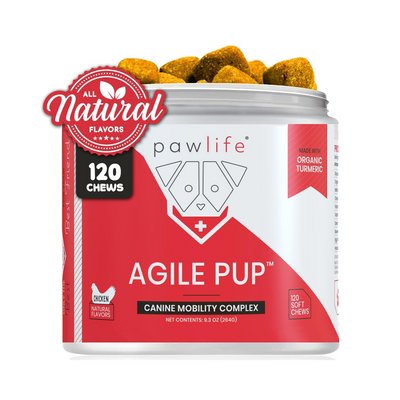
For working dogs, such as police dogs or agility competitors, diets higher in protein and fat help sustain stamina and muscle performance. Consider adding Agile Pup Hip & Joint Support for improved mobility and muscle recovery after long training sessions or play.
Energy Requirements Based on Breed and Activity Level
Different breeds have varying metabolic rates, meaning their energy needs differ dramatically. Active breeds like Retrievers, Border Collies, and Shepherds burn more calories daily, while smaller or brachycephalic breeds (like Bulldogs and Pugs) need fewer calories due to slower metabolism.
If you have an active dog, feed a diet that meets maintenance energy plus 20–40% more calories for performance. For pampered or sedentary dogs, stick close to maintenance needs or slightly below to prevent excess weight gain.
Curious about keeping your dog’s behavior balanced through nutrition? Visit Five Ways to Encourage Good Behavior in Your Dog—you’ll learn how energy, diet, and structure work together to shape positive habits.
Remember, obesity can sneak up subtly. Use a body condition scoring chart to track your dog’s ideal weight, and consider integrating a low-calorie treat routine as described in Easing Dog Anxiety: Practical Tips and Calming Supplements—because physical and emotional health go hand in hand.
Choosing the Right Dog Food: Ingredients and Labels Matter
When selecting food, prioritize high-quality ingredients. Look for real meat sources (like chicken, beef, or fish) listed first, followed by whole grains, vegetables, and healthy fats. Avoid fillers such as corn gluten or artificial dyes. Whole food-based diets are easier to digest and provide long-term benefits for skin, coat, and heart health.
If your dog has sensitivities or allergies, discuss with your vet about single-protein or limited-ingredient diets. You can also read Understanding Your Dog’s Immune System and Natural Ways to Support It to learn how food affects immune resilience.
Adding supplements such as Immune Pup and Multi Pup 5-in-1 supports nutritional balance while strengthening immunity—especially for dogs with dietary limitations.
Meal Timing and Feeding Routines for Adult Dogs
Maintaining consistency in your dog’s feeding routine helps regulate digestion and mood. Feed your dog at the same time each morning and evening to promote stable blood sugar and predictable bathroom habits. Sudden changes in feeding schedules can cause anxiety or digestive upset.
Learn more about how routine impacts your dog’s mental health in our post Easing Dog Anxiety: Practical Tips and Calming Supplements. A structured day—complete with regular meals, walks, and rest—builds confidence and calm behavior.
For dogs that eat too quickly, consider slow-feeder bowls to improve digestion. Pair meals with a short walk afterward for circulation and better metabolism. This combination helps prevent obesity and supports heart health, especially in aging dogs.
How Supplements Support a Balanced Adult Dog Diet
Even the best dog foods can lack certain nutrients, especially if you’re rotating between brands or feeding grain-free diets. Supplements fill those nutritional gaps while improving energy, coat health, and immune strength.
Multi Pup helps maintain full-body wellness, offering support for skin, digestion, and mobility. Meanwhile, Agile Pup Hip & Joint Support aids recovery after exercise—making it perfect for active or older dogs. To protect against stress-related digestion issues, Calm Pup Calming Support promotes a relaxed state while keeping eating habits steady.
For an in-depth look at supplement integration, visit our guide The Ultimate Guide to Dog Joint Health—it shows how nutrition and support chews work together to keep your dog thriving at every stage of life.
Adjusting Diet for Special Conditions or Life Stages
Dogs with medical conditions, pregnancy, or age-related challenges require dietary adjustments under veterinary supervision. For senior dogs, reduce calories but maintain protein quality to support lean muscle. Soft, easy-to-digest foods paired with moderate exercise and Agile Pup help maintain comfort and mobility.
Learn how activity, stress, and diet interconnect in our post How Much Exercise Does a Dog Need Every Day?—an excellent companion read for balancing feeding and activity.
Dogs recovering from illness may also benefit from gut-friendly probiotics and vitamin support. You can reference our gut health article again for how digestion directly influences immune repair.
Preventing Obesity in Adult Dogs
Obesity is one of the most common nutritional issues in adult dogs, leading to joint strain, fatigue, and shorter lifespans. Treats should make up less than 5% of your dog’s daily calorie intake. Focus on portion control, lean proteins, and frequent exercise to keep your dog fit and happy.
Regular walks and playtime are key. Learn enrichment ideas from Five Ways to Encourage Good Behavior in Your Dog—which covers how physical activity can double as obedience practice. Combining proper diet and exercise builds long-term discipline and wellbeing.
Need help calming an overly excitable pup before meals? A single chew of Calm Pup 15 minutes before feeding can help regulate energy and reduce gulping or overeating behaviors.
Creating a Lifetime Nutrition Plan for Your Dog
Ultimately, a healthy adult dog diet isn’t just about food—it’s about overall balance. Proper nutrition supports behavior, energy, and mood, while supplements and structure fill in the gaps that food alone can’t address.
To design a complete plan:
- Feed consistent, portioned meals twice daily.
- Include high-quality protein and essential fats.
- Use supplements like Multi Pup for complete wellness and Immune Pup for ongoing protection.
- Balance activity with nutrition—see our exercise guide for breed-based activity plans.
Good nutrition sets the foundation for everything—behavior, energy, health, and happiness. You can explore additional advice in our Dog Health & Wellness Blog, where topics like anxiety, immune function, and joint health come together to help you raise a healthy, balanced dog from the inside out.