
Basic Puppy Training: Teaching Essential Commands with Patience and Care
Bringing a puppy home is an exciting moment filled with joy, curiosity, and a few inevitable challenges. Training your puppy early helps set the tone for a lifetime of trust and understanding between you and your new companion. More than just obedience, basic training teaches communication, confidence, and respect — creating a strong foundation for every future adventure together.
At Pawlife Pets, we believe in gentle, consistent, and positive training methods. Whether your puppy is mastering their first “sit” or learning to walk calmly on a leash, patience and structure go a long way. To help support focus and calmness during the learning process, natural supplements like Calm Pup can help reduce anxiety and promote balanced energy — perfect for those early training days.
When to Start Training Your Puppy
Veterinarians recommend beginning simple training sessions as soon as your puppy arrives home, typically around seven weeks of age. These early lessons aren’t about perfection; they’re about creating positive associations and teaching your pup that learning is fun. Start with short, 5–10 minute sessions to keep your puppy engaged without overwhelming them. Always end with a small victory and a treat — that final “win” reinforces excitement for the next session.
Consistency and patience are the cornerstones of early training. Your puppy may become distracted or uncertain at first, but your calm encouragement and cheerful tone will build trust. Avoid harsh corrections or frustration — positive reinforcement works far better than punishment and strengthens your relationship. To better understand emotional cues and motivation, check out Dog Anxiety 101: How to Recognize Stress and Calm It Naturally.
The Importance of Socialization
Socialization is as essential as obedience training. It helps your puppy grow into a confident, well-adjusted adult. Exposing them to new people, sounds, and environments between 7 and 16 weeks of age reduces fear and anxiety later in life. Controlled playdates, gentle introductions to other pets, and positive interactions with visitors all help reinforce trust.
Pair these early experiences with immune-supporting supplements like Immune Pup, which promotes resilience against environmental stressors while your puppy explores new surroundings. Healthy immunity and calm behavior go hand in hand in building a confident learner.
Teaching the Five Essential Puppy Commands
Mastering basic commands sets the stage for a lifetime of communication and safety. These five commands — Come, Walk, Sit, Stay, and Lay Down — are the foundation of any future training program. Let’s break them down step-by-step.
1. Teaching the “Come” Command

“Come” is the cornerstone of recall training and one of the most vital commands for safety. Begin in a quiet, distraction-free area. Kneel to your puppy’s level, call their name followed by “come,” and use a happy, encouraging tone. When they respond and come toward you, immediately reward them with a treat and plenty of praise. Repeat several times per session.
Make it fun — if your puppy hesitates, back up slightly or use an excited clap to draw them in. Over time, practice in new environments like the yard or park to build reliability. Keep sessions positive and end with play or affection to reinforce trust.
For tips on reinforcing positive behaviors and curbing unwanted chewing during training, read How to Stop Your Dog from Chewing Things Up.
2. Teaching the “Walk” Command

Walking politely on a leash is one of the most rewarding skills to teach. Start with a lightweight leash and a calm environment. Use the command “walk,” “heel,” or “forward” consistently. Encourage your puppy to stay beside you with their head aligned at knee level. Keep the leash loose — tension often causes pulling or confusion.
If your puppy moves too far ahead, stop walking and call them back gently. Reward them when they return to position. With repetition, your dog will learn that walking calmly earns praise and progress. To make walks more enjoyable, schedule them after play or feeding to release energy and reinforce routine. For dogs that pull due to overstimulation, Calm Pup can help reduce anxiety-driven behavior.
3. Teaching the “Sit” Command

“Sit” is usually the first command puppies master because it’s easy to associate with rewards. There are two main approaches: capturing and luring. For capturing, stand in front of your puppy, wait for them to sit naturally, and immediately say “yes” or click and offer a treat. For luring, hold a treat near your puppy’s nose and slowly raise it above their head — as their eyes follow, their hindquarters will lower into a sit. The moment they sit, praise them warmly.
Repeat this daily, gradually adding distractions and varying environments. This command is especially useful for teaching impulse control before meals or doorways. Reinforce calm sitting with positive attention rather than overexcited reactions. For better focus during sessions, read Daily Supplement Routines for Dogs to build a structured, balanced day for your puppy.
4. Teaching the “Stay” Command

“Stay” teaches self-control and patience — two vital traits for every dog. Before you begin, make sure your puppy understands “sit” and introduce a release cue such as “okay” or “free.” Ask your puppy to sit, show your open hand like a stop signal, and say “stay.” Step back slowly; if your puppy remains in place, return immediately and reward generously. If they break the stay early, reset calmly without scolding.
Gradually increase the distance and duration over multiple sessions, introducing small distractions to test their focus. Puppies have short attention spans, so keep sessions brief and upbeat. Consistent success builds confidence — and reduces anxiety that leads to restlessness. For high-energy or anxious pups, Calm Pup supports mental balance and helps them learn to remain calm even in stimulating settings.
5. Teaching the “Lay Down” Command

“Lay down” (or “down”) builds on the foundation of “sit” and helps your dog learn relaxation cues. Start by asking your puppy to sit, then hold a treat close to their nose and slowly lower it toward the floor. As your puppy follows, their body will naturally lower. The moment they lie down, say “down” and give the treat. Repeat this several times and add gentle verbal praise.
If your puppy struggles, avoid pushing or forcing them into position. Instead, reward small steps toward the desired behavior. Over time, “down” can be used to encourage calm behavior during guests’ visits or quiet moments. For dogs who find it hard to relax, pair training with calming aids like Calm Pup and consistent rest periods.
Making Training Fun and Effective
Use Positive Reinforcement Always
Positive reinforcement strengthens trust and motivation. Every time your puppy performs a desired behavior, reward them with a treat, toy, or verbal praise. Rewards should come instantly so your puppy associates the action with the outcome. Over time, you can gradually reduce treats and replace them with affection or play as rewards.
Keep Sessions Short and Consistent
Puppies learn best in short, focused bursts. Two to three sessions of 5–10 minutes daily are far more effective than one long session. End on a positive note so your puppy looks forward to the next lesson. If your puppy loses focus or becomes tired, it’s time for a break. Overtraining can cause frustration for both of you.
Balance Training with Play and Rest
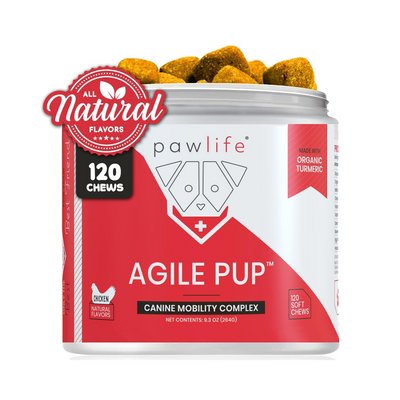
Young dogs need balance — training should be paired with adequate play, nutrition, and rest. Puppies are developing physically and mentally, so downtime is crucial for memory retention. Providing joint support early with supplements like Agile Pup can also aid proper growth and reduce the risk of future joint issues as your puppy becomes more active.
Addressing Common Puppy Training Challenges
Dealing with Chewing and Biting
Puppies explore the world with their mouths, so chewing is normal — but it needs guidance. Redirect inappropriate chewing to safe toys and praise them when they make the right choice. Avoid punishment or yelling; instead, calmly replace the forbidden object with an approved one. Read How to Stop Your Dog from Chewing Things Up for an in-depth guide to safe chewing habits and anxiety reduction.
Managing Short Attention Spans
It’s perfectly normal for puppies to lose focus quickly. Make training playful, use treats wisely, and mix in movement or short games between lessons. If your puppy seems restless or distracted, it may be due to overstimulation or diet. Adding Gut Grass Duo can help maintain digestive balance and energy regulation during early development.
Preventing Anxiety During Training
Early training helps prevent separation anxiety and stress-related behaviors later in life. Keep the atmosphere light and rewarding. Avoid overcorrection — dogs learn best when they feel safe and confident. For anxious learners, Calm Pup can help promote focus and reduce tension during challenging exercises. For a deeper look into emotional well-being, see Dog Anxiety 101.
Final Thoughts: Building a Lifelong Bond Through Training
Training isn’t just about teaching commands — it’s about forming a partnership built on trust, communication, and mutual respect. Every “sit,” “stay,” or “come” is a small conversation that deepens your bond. With consistency, positivity, and patience, your puppy will grow into a confident, well-behaved companion who understands what’s expected of them.
Remember: progress is more important than perfection. Celebrate each success, no matter how small, and enjoy the process. To support your puppy’s physical and emotional development, explore Pawlife’s natural supplement collection including Calm Pup, Immune Pup, and Gut Grass Duo.
For more guidance on creating a happy, healthy puppy routine, check out Daily Supplement Routines for Dogs and How to Stop Your Dog from Chewing Things Up. With patience and love, training time becomes bonding time — and the results will last a lifetime.