
Cold Weather Mistakes Dog Owners Don’t Realize They’re Making
Cold days and cozy nights feel like a break from the heat, but winter can quietly challenge your dog’s health. Dry indoor air, icy sidewalks, loud storms, and reduced activity all add up in ways that are easy to overlook. Many of the most common winter issues show up gradually as itchy skin, stiffness, anxiety, or extra pounds that sneak on over a few months. The good news is that a few smart changes to your dog’s routine, paired with targeted supplements from Pawlife Pets, can keep your pup feeling comfortable and playful all season long.
Winter wellness is not just about braving the cold during walks. It involves protecting skin and paws, staying ahead of joint discomfort, supporting digestion, and managing stress when the weather gets noisy. If you like bigger-picture guidance, you can also explore Seasonal Dog Care: How to Support Your Pup’s Health Year-Round for a broader look at how needs shift through each season. For now, let’s break down some of the most common cold weather mistakes dog owners don’t realize they are making and how to fix them.
Overbathing In Winter: Stripping Away Essential Skin Oils
How Winter Baths Can Dry Out Your Dog’s Skin
Many owners bathe more often in winter because dogs track in slush, salt, and mud, especially in snowy areas. Frequent warm baths combined with dry indoor heat can strip away the natural oils that protect your dog’s skin barrier. Once that barrier becomes compromised, itching, flakiness, and dull coat issues are never far behind. Dogs with existing sensitivities or allergies often feel this most intensely, and winter becomes a cycle of scratching and discomfort.
If your dog is already prone to dryness or seasonal irritation, winter amplifies every little problem. You may notice more dandruff on darker coats, increased licking at paws and legs, or a rougher texture when you run your hand along their back. These signs suggest the skin needs moisture support from the inside and outside, not just another bath. A smart winter routine focuses on gentle cleansing, targeted nutrition, and consistent hydration.
Smarter Bathing Habits For Cold Months
Reduce baths to only what your dog truly needs, especially during the coldest weeks. Use lukewarm, not hot, water and choose a gentle, moisturizing shampoo formulated for dogs rather than human products. After outdoor adventures in snow or slush, consider quick paw rinses or wipe-downs instead of full baths, which keeps salt and grime off the skin without stripping all the oils. Weekly grooming with a soft brush also helps distribute natural oils evenly along the coat.
For a deeper dive on winter skin management, read Caring for Your Dog’s Skin During the Cold Winter Months . That article offers additional practical steps to protect your dog’s coat and reduce itch through the entire season. When you combine smart grooming with a few small environment tweaks, such as using a humidifier around sleeping areas, the difference in comfort can be dramatic.
Nutrition Support For Winter Skin And Coat
Skin health starts from within. Omega-3 and omega-6 fatty acids help nourish the skin barrier, reduce inflammation, and support a soft, glossy coat. A supplement like Omega Pup gathers those nutrients into an easy daily chew for dogs who need extra support during dry months. Pet parents who prefer a liquid option can look at Wild Alaskan Salmon Oil, which can be drizzled over meals for a boost of omega-rich nutrition.
If your dog’s skin issues are linked to allergies, you can pair omega support with targeted immune and gut-health supplements. Articles such as 5 Natural Remedies for Itchy Dogs and Remedies for Treating Your Dog’s Allergies offer more ideas to tailor a plan. Skin comfort often improves when digestion, immunity, and stress are supported alongside topical care.
Skipping Joint Care When The Temperature Drops
Why Winter Is Tough On Hips And Joints
Cold, damp weather tends to make joint discomfort more obvious, especially in senior dogs, large breeds, or pups with a history of injury. Shorter walks, more time on hard indoor floors, and stiffness after naps are all clues that joints could use extra attention. Some dogs hesitate on stairs, move more slowly after rest, or seem less enthusiastic about activities they previously loved. These shifts are easy to dismiss as “normal aging,” yet they often signal that joints need proactive support.
When movement becomes uncomfortable, many dogs also reduce their own activity. Less movement can weaken muscles that stabilize joints and can contribute to weight gain, creating a cycle that adds more pressure to already sensitive areas. Catching changes early gives you the best chance to support mobility and keep your dog active for years to come. It helps to know what subtle signs to watch for and how to respond.
Spotting Early Mobility Changes
Watch for slower transitions from lying down to standing, shorter strides, or reluctance to jump into the car. If your dog used to leap on the bed and now waits to be lifted, joints may be asking for help. The article Recognizing Early Signs of Arthritis in Dogs and Providing Support and The Ultimate Guide to Dog Joint Health outline many of these early clues in detail. Keeping a simple log of stiffness, stairs, and walk length can help you track patterns over several weeks.
Joint-Friendly Supplements For Winter Movement
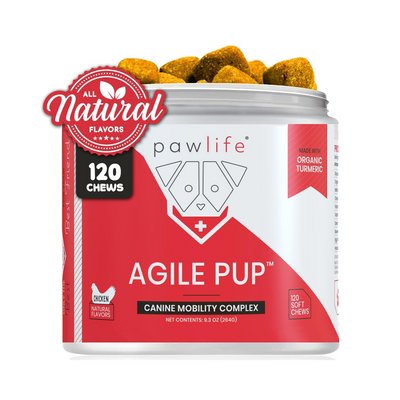
A joint-focused supplement like Agile Pup provides targeted support for hips and joints with ingredients chosen to promote mobility and comfort. This becomes especially useful during cold months when stiffness tends to flare. For dogs who need a more comprehensive approach, you can look at mobility-focused bundles such as Comfort & Move Duo or Strong & Complete Duo, which combine joint support with broader daily nutrition.
Gentle, consistent exercise also matters. On days that are safe for outdoor time, you can use ideas from Staying Active with Your Dog in Winter to keep muscles engaged without overloading joints. Short, frequent walks on level surfaces and indoor play sessions do more for joint health than occasional, intense outings.
Low Water Intake And Hidden Winter Dehydration
Why Dogs Drink Less When It Is Cold
Many dogs naturally drink less during colder months. Cooler temperatures can blunt thirst signals, and owners may not notice the reduced intake because dogs are not panting heavily like they do in summer. Dehydration does not always look dramatic; sometimes it shows up as harder stools, mild lethargy, or more subtle digestive upset. When dry air and central heating are added to the mix, winter dehydration can be more common than many people realize.
Water plays a crucial role in digestion, joint lubrication, and temperature regulation. If stools become dry and difficult to pass, or your dog seems less interested in food, hydration might be part of the picture. Digestive health blogs such as The Importance of Your Dog’s Digestive Health and Enhancing Your Dog’s Digestion and Wellness with Probiotics explain how hydration interacts with overall gut balance.
Hydration Habits That Help All Winter Long
Refresh water bowls several times a day and consider using ceramic or stainless-steel bowls that keep water cooler and fresher-tasting. Some dogs drink more when they have multiple water stations around the house, especially near sleeping areas. For pups who need encouragement, you can add a small splash of low-sodium broth or a bit of water to meals to gently increase intake. Moist food toppers or hydrating treats can also support better fluid balance.
Digestive Supplements That Work With Better Hydration
A well-hydrated gut works hand in hand with healthy bacteria and fiber. A targeted digestive supplement such as Pro Pup combines pumpkin, prebiotics, probiotics, and enzymes to help keep digestion moving smoothly. That support becomes especially valuable during winter, when reduced water intake can slow everything down. For more practical strategies, Tips to Support Better Digestion for Your Pup offers additional ideas you can use right away.
When digestion is supported and hydration stays consistent, your dog is more likely to maintain comfortable stools, steady energy, and overall good appetite. A healthy gut also supports immunity, which matters even more when everyone is spending more time indoors.
Salted Sidewalks, Ice Melt, And Paw Damage
How Winter Walks Can Hurt Your Dog’s Paws
Icy sidewalks often come with rock salt or chemical de-icers that can be harsh on paw pads. Over time, exposure may lead to cracking, redness, or irritation between the toes. Dogs frequently lick their paws after walks, which can introduce small amounts of these substances into their mouths and stomachs. When this happens day after day, the irritation can build up even when individual walks seem short.
Granules stuck between toes can also cause discomfort and change the way your dog walks, which may place extra strain on joints. On top of that, cold, wet conditions soften the paw pads, making them more vulnerable to damage. A simple winter routine for paw care can make outdoor time safer and more comfortable without sacrificing daily walks.
Winter Paw Care That Protects Comfort And Mobility
Keep a small towel or pet-safe wipes near the door so you can clean paws as soon as you come inside. Pay attention to the spaces between toes, where salt and ice often hide. Many pet parents also use dog booties for longer walks or heavily salted areas, which adds an extra layer of protection between skin and rough surfaces. Once paws are dry, a pet-safe balm can help maintain soft, resilient pads.
Healthy paws support better movement and more enjoyable winter exercise, which ties back to joint and weight management. For broader outdoor ideas, Staying Active with Your Dog in Winter and How Much Exercise Does a Dog Need Every Day give you several ways to keep walks and playtime fun without overdoing impact or exposure.
Storms, Wind, And Seasonal Anxiety
Winter Weather And Your Dog’s Stress Levels
Loud winds, ice pellets hitting windows, and unexpected winter thunderstorms can trigger anxiety even in otherwise confident dogs. Some pups shake, pace, hide, or bark excessively when the weather turns intense. Shorter days and more time indoors may also contribute to restlessness or boredom that shows up as clinginess or destructive behavior. Emotional health becomes just as important as physical comfort once winter sets in.
When dogs feel anxious, the stress response can affect digestion, sleep, and overall behavior. Articles such as Dog Anxiety 101: How to Recognize Stress in Your Pup and Calm It Naturally and Easing Dog Anxiety: Practical Tips and Calming Supplements outline many of the behavioral cues that show up in anxious dogs. If your pup struggles specifically with storms, How to Calm Your Dog During Thunderstorms, Rain, and Lightning offers more storm-specific strategies.
Creating Calm, Predictable Spaces During Winter
Create a quiet, cozy area where your dog can retreat during bad weather. This might include a covered bed, familiar blankets, and gentle background noise from a fan or soft music to muffle outdoor sounds. Keep routines as predictable as possible so your dog knows when to expect meals, walks, and rest time. Interactive toys and food puzzles can help channel nervous energy into focused activity instead of pacing or whining.
Calming Support For Weather-Related Stress
Many dogs benefit from calming supplements that take the edge off anxiety without making them groggy. A product such as Calm Pup (Duck) or Calm Pup (Bacon) fits easily into a winter routine and can be given ahead of storms, fireworks, or especially noisy days. Pet parents who want a broader view of calming options can also look through the full Calming collection.
When anxiety is managed well, dogs move more naturally, rest more deeply, and interact more positively with their families. That calm foundation supports every other part of winter wellness, from digestion to joint health.
Winter Weight Gain And Lost Muscle
How Extra Pounds Sneak On During Cold Months
Shorter days, colder temperatures, and icy sidewalks often mean fewer long walks and more time on the couch. At the same time, treats tend to increase during holiday seasons, especially when families are home more. Even a small daily calorie surplus can add up over several months, and extra weight places additional strain on hips, knees, and the spine. Dogs who already have mild joint changes may feel worsening stiffness as pounds accumulate.
Weight gain does not always look dramatic at first glance. Sometimes it shows up as a collar that needs loosening, a less visible waist from above, or thicker padding over the ribs. Blogs such as How Much Exercise Does a Dog Need Every Day and Fit and Furry: Exercises You Can Do With Your Pet offer helpful guidance for hitting movement goals even when the weather is not ideal.
Balancing Calories, Exercise, And Supplements
Start with simple changes such as measuring meals instead of free-feeding and swapping high-calorie treats for lower-calorie training bites. Indoor play sessions, hallway fetch, or gentle stair work can help maintain muscle and burn energy on days when long outdoor walks are not possible. The more consistently you move through winter, the easier it becomes to transition into bigger spring adventures without soreness.
A comprehensive multivitamin like Multi Pup 5-in-1 Dog Multivitamin adds support across several systems at once, including joints, gut, skin, and heart health. For a deeper look at the role of multivitamins in daily routines, read Enhancing Your Dog’s Wellness: The Power of Multivitamins . A strong nutritional foundation helps your dog adapt to seasonal shifts in exercise and routine more gracefully.
Building A Simple, Season-Proof Wellness Routine
Putting All The Pieces Together
Winter does not have to mean discomfort, anxiety, or creeping weight gain for your dog. Thoughtful grooming, consistent hydration, joint support, paw protection, and stress management can transform the way your pup experiences the cold months. When you layer in carefully chosen supplements, each part of that plan becomes easier to maintain day after day. A little consistency now pays off in stronger mobility, calmer behavior, and healthier skin as the season unfolds.
If you are building or updating your dog’s supplement routine, you can explore collections like Digestion, Hip & Joint, Skin & Coat, and Calming to find the best match for your dog’s needs. For pet parents who prefer a broader view of every option in one place, the All Products page is a helpful starting point.
Keeping Your Dog Comfortable Beyond Winter
Once you put a winter wellness plan in place, many of the same habits carry into spring, summer, and fall with only small tweaks. Seasonal care guides such as Seasonal Dog Care: How to Support Your Pup’s Health Year-Round and lifestyle pieces like The Great Outdoors: How Nature Time Boosts Your Dog’s Mood can help you adapt your approach as temperatures change. Through every season, one goal stays the same: helping your dog feel comfortable, confident, and ready to enjoy life with you.
A healthier winter starts with noticing the small things—dry skin, subtle stiffness, quiet anxiety—and choosing supportive steps instead of waiting for bigger problems to appear. With thoughtful routines, regular movement, and trusted Pawlife supplements, you can make cold weather feel a lot warmer for your favorite four-legged friend.